
William Levine, M.D., has been named chair of the Department of Orthopedic Surgery of the Columbia University College of Physicians and Surgeons and orthopedic surgeon-in-chief of NewYork-Presbyterian/Columbia University Medical Center, effective July 1. Dr. Levine is a clinician, scholar, and teacher who has served in numerous leadership roles since joining NewYork-Presbyterian/Columbia in 1998. Most recently, he has been the department’s vice chair for education, director of its residency and fellowship programs, chief of the shoulder service, and co-director of the Center for Shoulder, Elbow & Sports Medicine.
William Levine, M.D.: New Chair at Columbia
2 min read Premium comments
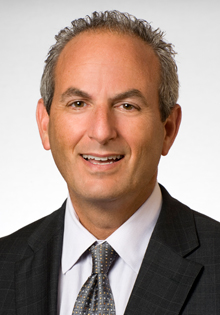
Dr. Levine is Columbia University’s head team physician, responsible for providing care for 31 Columbia intercollegiate athletic teams. He has been named a Top Doctor in Sports Medicine by Castle Connolly and New York Magazine, as well as one of the top 25 shoulder surgeons in the United States by Orthopedics This Week.
Dr. Levine is a member of the American Orthopaedic Association executive committee and a board member of the American Board of Orthopaedic Surgery, the governing body that oversees licensure and training of orthopedic surgeons. He also serves as deputy editor of the Shoulder and Elbow section of the Journal of the American Academy of Orthopaedic Surgeons.
Dr. Levine received a B.A. in human biology from Stanford University and an M.D. from Case Western Reserve University School of Medicine. He was a resident in orthopedic surgery at New England Medical Center/Tufts University Medical School and held fellowships at NewYork-Presbyterian/Columbia in shoulder surgery and at the University of Maryland in sports medicine. He joined NewYork-Presbyterian/Columbia’s Department of Orthopedic Surgery in 1998 and became residency director in 2002; in 2006, he was awarded the Charles S. Neer, M.D. Teacher of the Year Award for his enthusiasm, passion, and dedication to resident education.
“We are pleased to welcome Dr. Levine to his new leadership role, ” says Steven J. Corwin, M.D., chief executive officer of NewYork-Presbyterian Hospital, in the June 2, 2014 news release. “His extensive background in orthopedic surgery and sports medicine will be pivotal in our continued provision of innovative, outstanding, and patient-centered care.”
Dr. Levine succeeds Louis U. Bigliani, M.D., who is retiring as chair after leading the department for the past 16 years, during which time the department doubled in size and significantly expanded both its research and clinical programs.
Asked how he will move forward, Dr. Levine told OTW, “My first steps as Chair are setting in motion a carefully constructed 5-year plan that builds from the tremendous legacy of Dr. Bigliani’s 16-year tenure and culminates in our building the best orthopaedic surgery department in the country. In one year we hope to have recruited an additional group of surgeons, non-operative physicians, athletic trainers, and key administrative support staff to lay the foundation for continued and further growth and development in the ensuing four years.”
React:
Discussion
This is a fascinating development. In my practice we've seen similar outcomes with the revised protocol. The key differentiator seems to be patient selection criteria. Has anyone else noticed the correlation with BMI thresholds?
Great point. I'd push back slightly on the conclusion, the sample size in the cited study is too small to draw population-level inferences. That said, the directional signal is compelling and worth a larger RCT.
We implemented a similar approach last year. Early results are promising but we're still gathering 12-month follow-up data. Happy to share our protocol if anyone is interested.
Join the conversation
Orthopedic professionals are discussing this. Sign in and upgrade to read every comment and add your voice.