
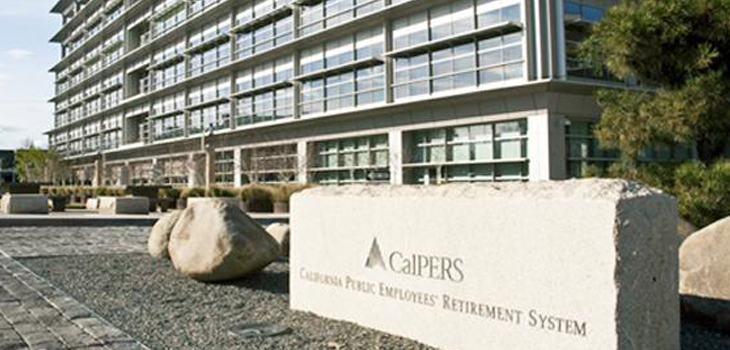
Three years ago the California Public Employees Retirement System (CalPERS) began what it called “reference pricing.” Reference pricing established a standard price for a medication, procedure or service and required its members to pay any charges beyond that price.
Reference Pricing a Winner for CalPERS
1 min read Premium comments
Secondary
CalPERS reports that it has now saved $5.5 million over two years. The savings came about through this initiative that set standard prices for knee and hip replacements and prompted beneficiaries to select higher-value hospitals for the procedures. Details are spelled out in Health Data Management reports.
To develop the program, CalPERS asked Anthem Blue Cross to research the average costs for hip and knee replacements among hospitals. Its assignment was to develop a program that would ensure sufficient coverage by hospitals and also meet a certain cost threshold. The program set a maximum of $30, 000.
Forty-six medical institutions—including Stanford and University of California, San Francisco, joined the plan. The number of Anthem-CalPERS enrollees who chose a designated high-value hospital for their knee or hip replacement surgeries increased from 50% between 2008 and 2010 to 64% in the first nine months of 2012. The average price for joint replacement procedures fell from more than $42, 000 before the initiative to $27, 148 in the first nine months of 2012.
The average cost to CalPERS for the procedures fell by 26%. According to the report, the savings resulted from the hospitals lowering their costs, which accounted for 86% of the savings, and the enrollees opting for higher value hospitals.
Author
React:
Discussion
This is a fascinating development. In my practice we've seen similar outcomes with the revised protocol. The key differentiator seems to be patient selection criteria. Has anyone else noticed the correlation with BMI thresholds?
Great point. I'd push back slightly on the conclusion, the sample size in the cited study is too small to draw population-level inferences. That said, the directional signal is compelling and worth a larger RCT.
We implemented a similar approach last year. Early results are promising but we're still gathering 12-month follow-up data. Happy to share our protocol if anyone is interested.
Join the conversation
Orthopedic professionals are discussing this. Sign in and upgrade to read every comment and add your voice.