
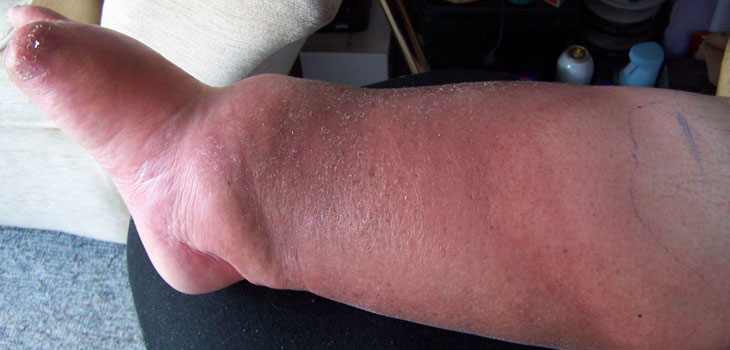
Complications from diabetes increase the risk of infection after surgery on feet and ankles, according to a study that appeared in a recent issue of the Journal of Bone & Joint Surgery. As reported by Brenda Naugent in Diabetes Health, type 2 diabetes patients with complications that include such ailments as diabetic peripheral neuropathy or an A1C of 8 or higher are more likely to experience surgical site infections following ankle or foot surgery than are non-diabetics.
New Study: Infection Risk 7x Greater With Diabetes
1 min read Premium comments
Secondary
Researchers from the University of Pittsburgh Medical Center examined 2, 060 surgical cases. They divided the cases into four groups, patients without diabetes and neuropathy, patients without diabetes but with neuropathy, diabetic patients with no complications and diabetics with at least one complication.
They found that 3.1% of the cases studied developed surgical site infections and the diabetic group with complications was 7.25 times more likely than the other three groups to develop infections.
Nugent quotes the researchers as writing, “Complicated diabetes increases the risk of surgical site infection after foot and ankle surgery. Patients who had diabetes without complications did not have a greater risk of surgical site infection compared with non-diabetic patients without neuropathy.”
They found that the presence of neuropathy, even in patients without diabetes, increases the risk of surgical site infection. Poor long-term glycemic control was also associated with an increased risk of surgical site infection.
Author
React:
Discussion
This is a fascinating development. In my practice we've seen similar outcomes with the revised protocol. The key differentiator seems to be patient selection criteria. Has anyone else noticed the correlation with BMI thresholds?
Great point. I'd push back slightly on the conclusion, the sample size in the cited study is too small to draw population-level inferences. That said, the directional signal is compelling and worth a larger RCT.
We implemented a similar approach last year. Early results are promising but we're still gathering 12-month follow-up data. Happy to share our protocol if anyone is interested.
Join the conversation
Orthopedic professionals are discussing this. Sign in and upgrade to read every comment and add your voice.