
Life is good at the top of the healthcare food chain.
Insurance Execs Win Obamacare Jackpot
2 min read Premium comments
Secondary
The chief executives of the 11 largest for-profit insurers earned more than $125 million in total compensation in 2013.
Aetna’s Bertolini Wins
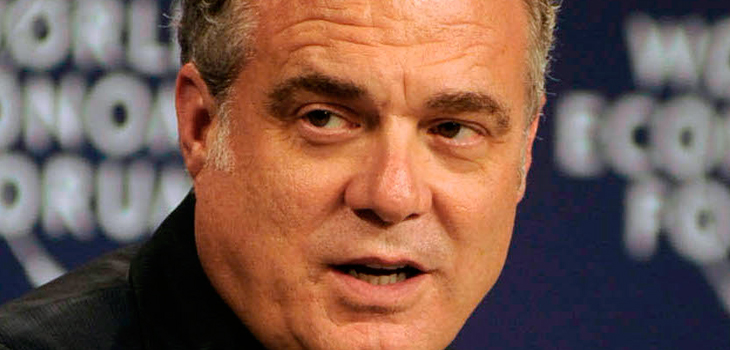
Of the 11 insurers—Aetna, Centene, Cigna, Health Net, Humana, Molina, Triple-S Management Corporation, UnitedHealth, Universal American, WellCare and WellPoint—Aetna CEO Mark Bertolini earned the most, taking home $30.7 million in 2013—an increase of 131% from the year before, according to a recent FierceHealthPayer report.
In contrast, the administrator of Centers for Medicare and Medicaid Services (CMS), the biggest insurer was paid $165, 300.
That’s the biggest Obamacare jackpot for any health insurance executive since passage of the Affordable Care Act and exceeded the compensation of the next two highest paid health insurer CEOs combined. Centene CEO Michael Neidorff took home $14.5 million last year, up 71% from the previous year, according to Healthcare-Now, a non-profit group that advocates for a single-payer system.
Almost all of the 11 insurers saw their revenue and profits rise last year and several are predicting that they’ll likely bring in higher-than-expected profits this year. Those predictions come as medical claims are rising as more consumers bought coverage from the health insurance exchanges.
Average Comp Up 19%
The average pay for Fortune 500 health insurance CEOs grew from $11.6 million in 2012 to $13.9 million in 2013. And for the top nine insurers, CEOs saw their average compensation packages increase by more than 19% last year, while other insurers more than doubled their CEO pay.
Top CMS Administrator
“In contrast, the top administrator of Medicare —our public, universal health plan for all seniors, which is more efficient, provides better financial protection, and receives higher marks from patients than private health insurers—is paid less than $200, 000 per year. The culture of excess at these for-profit corporations is incompatible with the goals of an efficient, ethical health care system, where every dollar diverted from patient care represents a loss of access for real families, ” said Benjamin Day, director of organizing at Healthcare-NOW.
Day continued: “We face the highest healthcare costs and have among the worst health outcomes of any country in the developed world because we allow private health insurers and dozens of other intermediaries to act as for-profit middlemen in the health care system. Although many backers of the Affordable Care Act said it would rein in insurance company excesses, the law clearly hasn’t curtailed top executive pay.”
Hey, it’s tough to manage all that risk while finding new ways to deny coverage and buy up hospitals.
Top Paid Insurance CEOs

Author
React:
Discussion
This is a fascinating development. In my practice we've seen similar outcomes with the revised protocol. The key differentiator seems to be patient selection criteria. Has anyone else noticed the correlation with BMI thresholds?
Great point. I'd push back slightly on the conclusion, the sample size in the cited study is too small to draw population-level inferences. That said, the directional signal is compelling and worth a larger RCT.
We implemented a similar approach last year. Early results are promising but we're still gathering 12-month follow-up data. Happy to share our protocol if anyone is interested.
Join the conversation
Orthopedic professionals are discussing this. Sign in and upgrade to read every comment and add your voice.