
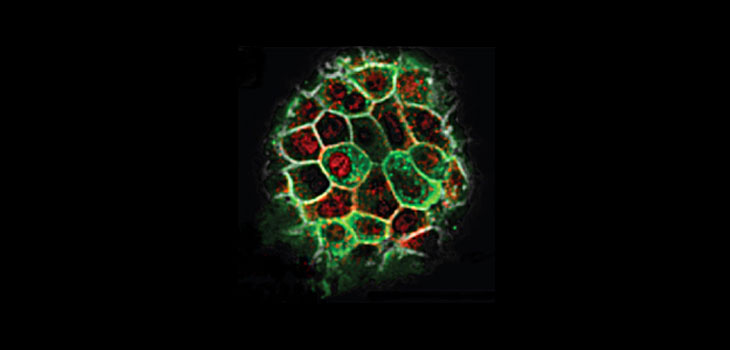
Scientists at the FDA are studying stem cells. They are part of FDA’s MSC Consortium, a large team of FDA scientists studying adult mesenchymal stem cells (MSCs) that could eventually be used to repair, replace, restore or regenerate cells in the body, including those needed for heart and bone repair. The scientists claim that their investigational work is unprecedented. Seven labs at FDA’s Center for Biologics Evaluation and Research formed the consortium to fill in gaps in knowledge about how stem cells function.
FDA Scientists Studying Stem Cells
2 min read Premium comments
Secondary
“This research aims to facilitate development of this important class of innovative medical products, ” explained Carolyn A. Wilson, Ph.D., associate director for research at the center. “It’s the first time we’ve done anything like this, and it’s proven to be a very useful approach.”
Steven R. Bauer, Ph.D., chief of the Cellular and Tissue Therapy Branch in FDA’s Office of Cellular Tissue and Gene Therapies, said, “It’s not science fiction. For me, regenerative medicine is the most exciting part of what we regulate in our office.”
One reason why stem cell based clinical trials have not yet resulted in a marketed product is that growing the cells and making sure their use is safe and effective has been a challenging problem. Bauer explained, “The major challenge is that cells are much more complex than traditional products that FDA regulates. And they have the ability to respond to their environment. Taking them out of the body and manufacturing them—that is, growing large numbers of them—or isolating them can change their biology. And it can change the way they behave if they are put back into the patient.”
The consortium’s research has shown that widely accepted ways to identify and characterize MSCs do not reveal some important biological differences between batches of cells. According the Bauer, the consortium is seeking to better characterize MSCs that will be used in clinical trials. If investigators can improve the tools used to characterize MSCs, the data generated from their studies could also improve because their MSC products will be more predictable, he says.
The improved predictability of their products will, in turn, allow FDA scientists to more easily evaluate the safety and effectiveness of new stem cell technologies—a key part of the regulatory science that is the foundation of FDA decisions.
“My colleagues and I hope our scientific findings will be helpful in the field of regenerative medicine, ” Bauer said. “Although there are many scientific hurdles to overcome before the use of stem cells reaches its full potential, I think this medicine will eventually have the capacity to do that.”
Author
React:
Discussion
This is a fascinating development. In my practice we've seen similar outcomes with the revised protocol. The key differentiator seems to be patient selection criteria. Has anyone else noticed the correlation with BMI thresholds?
Great point. I'd push back slightly on the conclusion, the sample size in the cited study is too small to draw population-level inferences. That said, the directional signal is compelling and worth a larger RCT.
We implemented a similar approach last year. Early results are promising but we're still gathering 12-month follow-up data. Happy to share our protocol if anyone is interested.
Join the conversation
Orthopedic professionals are discussing this. Sign in and upgrade to read every comment and add your voice.