
Still trying to decide if hard or soft soles on their shoes protect runners from injury? If so, give up because a new study published in the British Journal of Sports Medicine has found that the hardness of the sole makes no difference.
Research Ends Shoe Sole Debate
1 min read Premium comments
Secondary
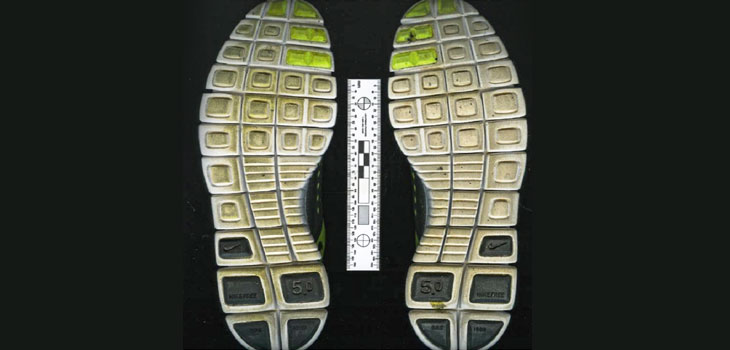
According to Stephen Kasica, writing for Outside, researchers at the Sports Medicine Research Laboratory in Luxembourg hypothesized that runners training on a hard midsole had a higher risk of running-related injuries than did runners running in soft shoes. To test their assumption they monitored 247 runners wearing 12mm-drop trainers from “a renowned sports equipment manufacturer.” Some subjects wore cushioned shoes, and others wore a midsole that was 15% stiffer in the heel.
When they examined the runners five months later, the researchers found that the runners who wore the cushioned shoes had just as many injuries as did the group wearing the harder shoes. They also found that soft shoes did not protect the heavier runners from injury.
“Midsole hardness of modern cushioned running shoes did not influence running-related injury risk, ” researchers wrote. More relevant to the prediction of injury was the runner’s body mass index, his or her history of injury, rate of exertion, history of regular running and involvement in other sports on a regular basis.
Author
React:
Discussion
This is a fascinating development. In my practice we've seen similar outcomes with the revised protocol. The key differentiator seems to be patient selection criteria. Has anyone else noticed the correlation with BMI thresholds?
Great point. I'd push back slightly on the conclusion, the sample size in the cited study is too small to draw population-level inferences. That said, the directional signal is compelling and worth a larger RCT.
We implemented a similar approach last year. Early results are promising but we're still gathering 12-month follow-up data. Happy to share our protocol if anyone is interested.
Join the conversation
Orthopedic professionals are discussing this. Sign in and upgrade to read every comment and add your voice.