
Higher concentrations of sex hormones in women reduced the risk of total knee replacement by about one-third, according to a study conducted by investigators at Monash University and Alfred Hospital in Melbourne, Australia. They found that women who have joint replacements due to osteoarthritis (OA) have different patterns of hormone concentrations when compared to the general population.
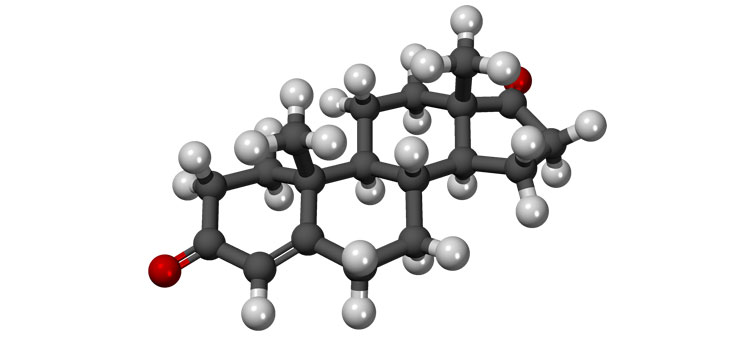
Androstenedione Chops Joint Replacement Risk
1 min read Premium comments
Secondary
The study group consisted of over 2, 600 middle-aged women who had been followed up for 10 years. The finding was consistent with a previous study that showed that women using long-term postmenopausal oestrogen therapy had greater knee cartilage volume than did women who were non-users.
The researchers found that greater androstenedione concentrations cut the risk of total hip replacement by about a third, while greater levels of sex hormone binding globulin was linked to a higher incidence of hip replacement. These associations held even after adjusting for established osteoarthritis risk factors such as age, country of birth and body mass, they said.
The authors of the study believe this to be the first prospective study to explore the relationships between circulating concentrations of endogenous sex steroids and sex hormone binding globulin.
“The findings suggest a role of circulating sex steroids in the pathogenesis of OA and that modifying these steroid concentrations may provide potential strategies for the prevention and treatment of knee and hip OA, ” they concluded.
Author
React:
Discussion
This is a fascinating development. In my practice we've seen similar outcomes with the revised protocol. The key differentiator seems to be patient selection criteria. Has anyone else noticed the correlation with BMI thresholds?
Great point. I'd push back slightly on the conclusion, the sample size in the cited study is too small to draw population-level inferences. That said, the directional signal is compelling and worth a larger RCT.
We implemented a similar approach last year. Early results are promising but we're still gathering 12-month follow-up data. Happy to share our protocol if anyone is interested.
Join the conversation
Orthopedic professionals are discussing this. Sign in and upgrade to read every comment and add your voice.