
Mesenchymal stromal cells (MSC)—a type of multipotent adult stem cells mostly processed from bone marrow—may prove beneficial in stroke recovery, according to researchers at UC Irvine’s Sue & Bill Gross Stem Cell Research Center, in an April 9 press release.
Adult Stem Cells Aide Stroke Recovery
2 min read Premium comments
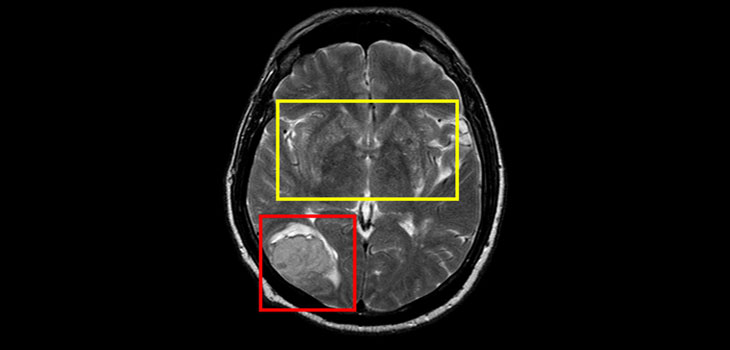
Secondary
In an analysis of 46 studies of the stem cells, neurologist Steven Cramer, M.D., and biomedical engineer Weian Zhao founds MSCs to be significantly better than control therapy in 44 of the studies. They found that the effects of the stem cells on functional recovery were robust regardless of the dosage, the time the MSCs were administered relative to the onset of the stroke or the method of administration. The report in Medical Press claimed that the stem cells helped even if they were given a month after the event and whether they were introduced directly into the brain or injected via a blood vessel.
Cramer, a professor of neurology and leading stroke expert, said, “Stroke remains a major cause of disability, and we are encouraged that the preclinical evidence shows [MSCs’] efficacy with ischemic stroke. MSCs are of particular interest because they come from bone marrow, which is readily available, and they are relatively easy to culture. In addition, they already have demonstrated value when used to treat other human diseases.”
Cramer noted that MSCs do not differentiate into neural cells but transform themselves into a variety of cell types, such as bone, cartilage and fat cells. “They do their magic as an inducible pharmacy on wheels and as good immune system modulators, not as cells that directly replace lost brain parts, ” he said.
Cramer and Zhao reviewed the means by which MSCs promote brain repair after stroke. The cells, they said, are attracted to injury sites and, in response to signals released by these damaged areas, begin releasing a wide range of molecules.
In this way, MSCs orchestrate numerous activities such as blood vessel creation to enhance circulation, protection of cells starting to die and growth of brain cells. At the same time, when MSCs are able to reach the bloodstream, they settle in parts of the body that control the immune system and foster an environment more conducive to brain repair.
“We conclude that MSCs have consistently improved multiple outcome measures, with very large effect sizes, in a high number of animal studies and, therefore, that these findings should be the foundation of further studies on the use of MSCs in the treatment of ischemic stroke in humans.” The analysis appears in the April 8
Author
React:
Discussion
This is a fascinating development. In my practice we've seen similar outcomes with the revised protocol. The key differentiator seems to be patient selection criteria. Has anyone else noticed the correlation with BMI thresholds?
Great point. I'd push back slightly on the conclusion, the sample size in the cited study is too small to draw population-level inferences. That said, the directional signal is compelling and worth a larger RCT.
We implemented a similar approach last year. Early results are promising but we're still gathering 12-month follow-up data. Happy to share our protocol if anyone is interested.
Join the conversation
Orthopedic professionals are discussing this. Sign in and upgrade to read every comment and add your voice.