
Zimmer Holdings, Inc. has five new patents for its Subchondroplasty Procedure.
Five Patents for Zimmer Joint Preservation Procedure
1 min read Premium comments
Secondary
The U.S. Patent and Trademark Office issued the new patents for the new joint preservation procedure developed by Zimmer Knee Creations. The patents are numbers: 8, 551, 178, 8, 574, 303, 8, 608, 802, 8, 617, 166 and 8, 623, 089.
A February 24, 2014 company press release said the patents “broaden the coverage of the first Subchondroplasty Procedure patent issued, U.S. Patent No. 8, 062, 364, to include new procedure methods, instrument kits, navigation systems, implants and other anatomical sites.”
The procedure is a percutaneous outpatient intervention that addresses the defects associated with subchondral bone marrow lesions (BMLs). BMLs are related to stress fractures or micro-fractures, and are currently diagnosed using MRI. Left untreated, these defects have been shown to lead to cartilage degeneration, limited function, pain and greater risk for joint deterioration.
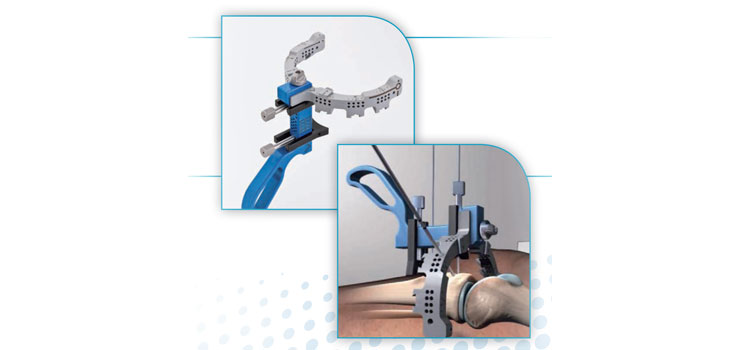
In this minimally invasive, arthroscopically assisted procedure, the company says navigation instruments are used to inject specialized bone filler, without violating the joint. As the bone filler is resorbed, it is replaced with new, healthy bone. According to a company statement, the procedure: “is the first procedure to treat bone-based changes within a joint, and addresses an unmet clinical need between early interventions, such as NSAIDs and joint arthroscopy, and total joint replacement. Since its introduction in November 2010, more than 3, 000 [procedures] have been completed.”
Zimmer acquired the technology in May 2013 when it acquired the assets of Viscogliosi Brothers-founded, Knee Creations, LLC.
Author
React:
Discussion
This is a fascinating development. In my practice we've seen similar outcomes with the revised protocol. The key differentiator seems to be patient selection criteria. Has anyone else noticed the correlation with BMI thresholds?
Great point. I'd push back slightly on the conclusion, the sample size in the cited study is too small to draw population-level inferences. That said, the directional signal is compelling and worth a larger RCT.
We implemented a similar approach last year. Early results are promising but we're still gathering 12-month follow-up data. Happy to share our protocol if anyone is interested.
Join the conversation
Orthopedic professionals are discussing this. Sign in and upgrade to read every comment and add your voice.