
BioStructures, LLC has announced that the FDA has granted 510(k) clearance for Bioactive Bone Graft Putty (Signafuse). Signafuse is indicated for the posterolateral spine, extremities and pelvis as well as a bone graft extender in the posterolateral spine.
BioStructures: 510(k) Clearance for Signafuse
1 min read Premium comments
Secondary
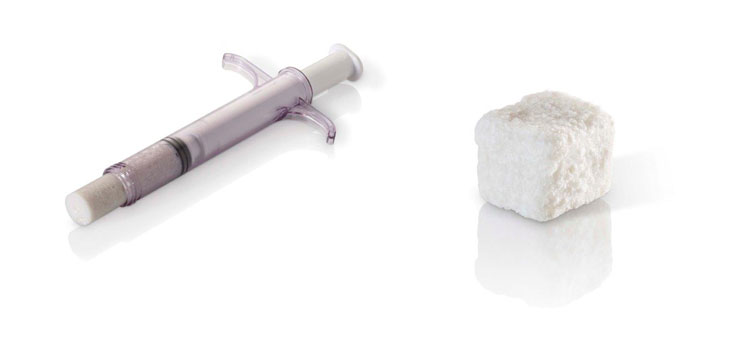
Signafuse represents a new class of synthetic biomaterials designed for optimization of cell growth and bone formation. Signafuse is composed of a biphasic mineral and bioactive glass suspended in a resorbable polymer carrier. The company indicates that the patented polymer carrier gives Signafuse exceptional handling characteristics which allow the graft to be easily molded and shaped for the unique size of the bony defect.
Russell Cook, CEO of BioStructures said in the February 18, 2014 news release, “We are very excited and pleased to receive FDA clearance for Signafuse Bioactive Bone Graft Putty. This technology combines our proven biphasic mineral with our patented bioactive and polymer components. We realize the orthobiologic market is crowded with a plethora of commodity offerings, so we wanted to develop a unique and effective device that brings excitement to the surgeon community as well as our distribution partners.”
Cook told OTW, “One year from now we would like to be recognized as the first choice for surgeons when selecting a synthetic bone graft for surgical procedures in the spine.”
React:
Discussion
This is a fascinating development. In my practice we've seen similar outcomes with the revised protocol. The key differentiator seems to be patient selection criteria. Has anyone else noticed the correlation with BMI thresholds?
Great point. I'd push back slightly on the conclusion, the sample size in the cited study is too small to draw population-level inferences. That said, the directional signal is compelling and worth a larger RCT.
We implemented a similar approach last year. Early results are promising but we're still gathering 12-month follow-up data. Happy to share our protocol if anyone is interested.
Join the conversation
Orthopedic professionals are discussing this. Sign in and upgrade to read every comment and add your voice.