
You gotta love insurance companies for their audacity.
Insurers and Allies Cry Over Medicare Advantage Cuts
3 min read Premium comments
Secondary
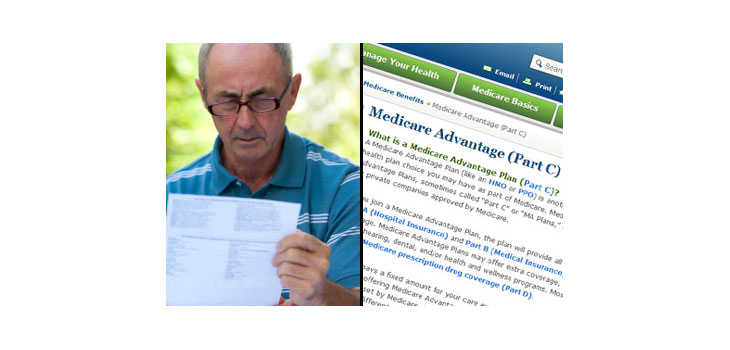
After years of earning profits by receiving a 12% premium to cover Medicare seniors through Medicare Advantage programs, the carriers are now getting pulled back to help cover the costs of insuring the noninsured through the Affordable Care Act (ACA).
On Friday, February 21, 2014 the government took another stab at bending the healthcare cost curve by proposing that payments to Medicare Advantage plans be cut by 1.9% for 2015. Leading Republicans on healthcare, like Senator Orrin Hatch of Utah, immediately blasted the Obama Administration proposal by saying it will hurt the elderly and disabled.
According to a Kaiser Health Network story on February 23, the insurance industry is scaring 16 million seniors in the program by saying they will see reductions in benefits and higher out-of-pocket costs. But, continued the Kaiser story, health policy experts and advocates for seniors say most Medicare health plans have largely kept costs and benefits stable and believe the industry is scaring seniors unnecessarily.
Last year the administration initially proposed cuts of 2.2% for 2014. After a campaign by insurers that included paid advertising and letters from scores of lawmakers, the government reversed course and increased the rate 3.3%.
Health plans, according to Kaiser, say those stated rates are misleading, however, because they don’t tell the full story. They argue that when other factors are taken into account, such as Medicare cuts made as a result of budget sequestration and the health law’s tax on health insurance premiums and reduction in subsidies, Medicare Advantage plans actually saw more than a 6% cut this year. And, they say there will be even higher cuts next year if the administration’s proposed rate is adopted.
Kaiser reports that despite similar predictions last year, enrollment is still rising overall in the private plans—up nearly 9% this year.
And in many parts of the country, such as South Florida and New York, seniors can still choose health plans with no monthly premiums.
A growing number of Medicare beneficiaries are continuing to enroll in Advantage plans, often to reduce their out-of-pocket spending as traditional Medicare generally covers only 80% of the cost of most doctor and outpatient care. In addition, the plans often offer extra benefits, such as hearing aids or gym memberships, which are not available in traditional Medicare.
The flip side, continued the Kaiser story, is that beneficiaries must seek care from physicians, hospitals and other providers that contract with those plans to be in their networks. Traditional fee-for-service allows beneficiaries to visit any doctor or provider that accepts Medicare.
The ACA will continue to reduce payments to Medicare Advantage plans until they are in line with the cost of traditional Medicare. Kaiser reports that independent advisors to Congress have said that seniors in traditional Medicare are subsidizing the higher costs of those in private plans. Someone has to pay for insurance company profits. Health plans don’t disclose how much money they make from marketing Medicare Advantage plans. Overall, UnitedHealthcare made a $10 billion profit last year on $122 billion in revenues. Company officials say Medicare is only one part of its business.
David Lipschutz, policy attorney with the Center for Medicare Advocacy, told Kaiser that Medicare costs have been rising at their lowest levels in decades and Medicare Advantage plans “should not be insulated from those forces.”
Health plans make business decisions each year on prices and benefits and this year is no different, he said, “The health insurance industry is trying to use a lot of confusion on this payment issue, but we are unaware of any new trends in changes in benefits.”
UnitedHealthcare, with more than 3 million members, reportedly dramatically reduced number of doctors in its plans in 10 states this year.
Author
React:
Discussion
This is a fascinating development. In my practice we've seen similar outcomes with the revised protocol. The key differentiator seems to be patient selection criteria. Has anyone else noticed the correlation with BMI thresholds?
Great point. I'd push back slightly on the conclusion, the sample size in the cited study is too small to draw population-level inferences. That said, the directional signal is compelling and worth a larger RCT.
We implemented a similar approach last year. Early results are promising but we're still gathering 12-month follow-up data. Happy to share our protocol if anyone is interested.
Join the conversation
Orthopedic professionals are discussing this. Sign in and upgrade to read every comment and add your voice.