
SI-BONE, Inc. is announcing that it has reached the 10, 000 procedure mark with its iFuse Implant System, incorporating over 29, 000 iFuse implants. The system is available in the U.S. and over a dozen European countries and is now being used by over 700 surgeons worldwide.
SI-BONE Reaches 10, 000 IFuse Procedures
1 min read Premium comments
Secondary
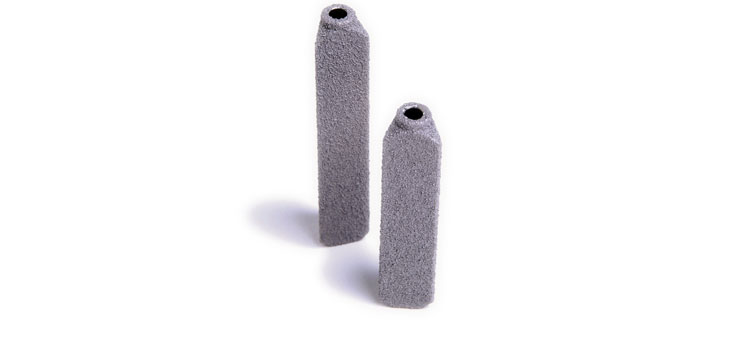
As indicated by the company, iFuse has a unique triangular-shape and porous titanium plasma spray (TPS) coating, and is the clear market leader. In addition, the iFuse Implant System is the only MIS treatment option for which there is published peer-reviewed clinical data that supports safety and effectiveness.
SI-BONE points to two recently published papers highlighting the safety and effectiveness of iFuse. The first is a retrospective comparison study authored by Dr. Arnold Graham Smith, a surgeon with significant experience with both open SI (sacroiliac) joint fusion as well as the iFuse MIS procedure. Results of this study, which evaluated 263 patients, demonstrate a clear advantage of the iFuse compared to open fusion in both perioperative outcomes as well as pain relief at both 12 and 24 months. The second paper is an early analysis of the SIFI study, which is SI-BONE’s prospective, single-arm, multicenter clinical trial with iFuse. Early results on 32 subjects showed a mean 49 point improvement in VAS and 15.8 point decrease in ODI at 6 months.
Jeffrey Dunn, president and CEO of SI-BONE, told OTW, “10, 000 procedures is truly a significant milestone for us to achieve and it is very gratifying to know that our technology has helped so many people. However, in spite of this significant achievement, we believe there are potentially hundreds of thousands of additional patients suffering from SI joint issues and we will continue to accelerate our leadership efforts to educate patients, health care professionals and the insurers on the benefits of iFuse as the treatment of choice for these patients.”
React:
Discussion
This is a fascinating development. In my practice we've seen similar outcomes with the revised protocol. The key differentiator seems to be patient selection criteria. Has anyone else noticed the correlation with BMI thresholds?
Great point. I'd push back slightly on the conclusion, the sample size in the cited study is too small to draw population-level inferences. That said, the directional signal is compelling and worth a larger RCT.
We implemented a similar approach last year. Early results are promising but we're still gathering 12-month follow-up data. Happy to share our protocol if anyone is interested.
Join the conversation
Orthopedic professionals are discussing this. Sign in and upgrade to read every comment and add your voice.