
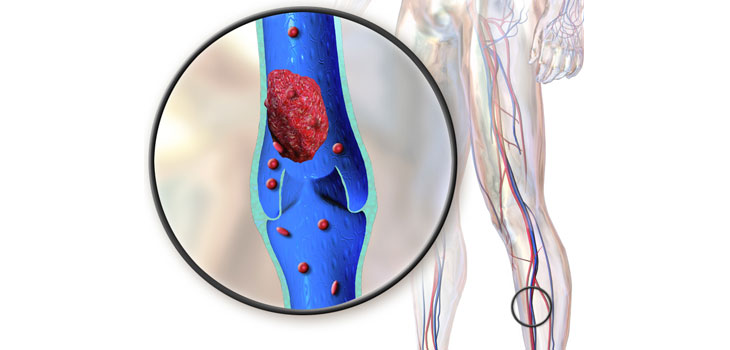
What is going on Down Under? Australians having a hip or knee replacement are three times more likely to suffer a pulmonary embolism or deep vein thrombosis compared with other developed countries, a new report reveals. In 2011 a total of 1, 760 patients experienced a pulmonary embolism or deep vein thrombosis per 100, 000 Australian hospital discharges.
Aussies 3x More Vulnerable to DVT
1 min read Premium comments
Secondary
This compares with the world wide average of only 540 cases; Denmark scores the lowest with a rate of 90 cases per 100, 000 hospital discharges. The data was compiled by the Organisation for Economic Co-operation and Development’s (OECD) Health at a Glance 2013 report.
What could account for the huge disparities among developed countries? Hugh Wilcher, writing for Rheumatology Today, suggests the differences could reflect the post-operative care, the emergency/elective case mix, or the mix of public/private procedures. Rather than actual disparities the numbers may reflect differences in the way countries report, code and calculate rates of adverse events.
The OECD report also looked at the overall number of hip and knee replacements. They found them to be more common in the German-speaking countries of Switzerland, Germany and Austria than elsewhere in the developed world. The Australian rate of hip replacement surgery was close to the OECD average while the country registered higher levels of knee surgery, at 169 operations per 100, 000 people, compared with the international average of 119.
Author
React:
Discussion
This is a fascinating development. In my practice we've seen similar outcomes with the revised protocol. The key differentiator seems to be patient selection criteria. Has anyone else noticed the correlation with BMI thresholds?
Great point. I'd push back slightly on the conclusion, the sample size in the cited study is too small to draw population-level inferences. That said, the directional signal is compelling and worth a larger RCT.
We implemented a similar approach last year. Early results are promising but we're still gathering 12-month follow-up data. Happy to share our protocol if anyone is interested.
Join the conversation
Orthopedic professionals are discussing this. Sign in and upgrade to read every comment and add your voice.