
AlloSource, of Centennial, Colorado, a provider of skin, bone and soft tissue allografts for use in surgical procedures, has received the sixth patent covering its AlloTrue product’s processes and methods.
AlloSource Earns 6th Patent for Tissue Processing Method
1 min read Premium comments
Secondary
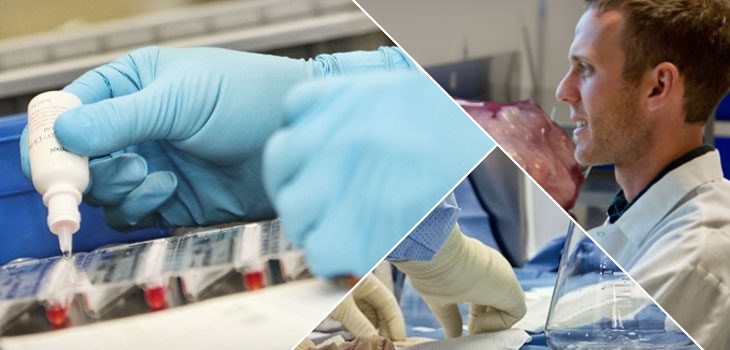
AlloTrue is a tissue cleaning and disinfecting system that uses rotation, coupled with sonication, to reduce bacteria. Technicians expose the allograft to a variety of cleaning solutions inside an automated, closed rotating canister. Besides bacteria, AlloTrue also removes the marrow and lipids that can be responsible for discoloration of the allograft.
Thomas Cycyota, AlloSource president and CEO , said, “Garnering not one but an entire group of patents surrounding the AlloTrue system has been a lengthy process but an important and highly valuable one, due to the pioneering nature of AlloTrue. This exclusive method of cleaning transplantable tissues allows us to maximize each gift of life donated by generous donors and their families.
The U.S. Patent Office issued AlloSource’s first patent in February 2010. According to Cycyota, AlloSource has grown since into one of the nation’s largest non-profit, soft tissue and allograft skin networks in the country.
Author
React:
Discussion
This is a fascinating development. In my practice we've seen similar outcomes with the revised protocol. The key differentiator seems to be patient selection criteria. Has anyone else noticed the correlation with BMI thresholds?
Great point. I'd push back slightly on the conclusion, the sample size in the cited study is too small to draw population-level inferences. That said, the directional signal is compelling and worth a larger RCT.
We implemented a similar approach last year. Early results are promising but we're still gathering 12-month follow-up data. Happy to share our protocol if anyone is interested.
Join the conversation
Orthopedic professionals are discussing this. Sign in and upgrade to read every comment and add your voice.