
A study on 103 patients with a high rate of complex vertebral fractures (59%) confirms the excellent performance of SpineJack in treating these fractures, according to officials of Vexim, its manufacturer. Vexim is a medical device company specializing in the minimally invasive treatment of vertebral fractures.
SpineJack Aces Trial, Reports Vexim
2 min read Premium comments
Secondary
The study aimed to measure the anatomical restoration, the rate of adjacent fractures and evaluate patient pain and quality of life. It involved 14 clinical investigating sites located in France, Germany, Switzerland, Spain, Italy and Austria. The study demonstrated statistically significant height restoration and endplates reconstruction with the SpineJack immediately postoperative and at three months. In the severe fractures group, the mean of maximum height restoration was 7.62 millimeters.
The researchers reported that the rate of adjacent fractures was 2.9% compared with 11% to 21% for vertebroplasty and kyphoplasty techniques. This suggested to them that there was a direct link between optimal endplate restoration by SpineJack and a significant reduction of the risk of further fractures.
They assessed the vertebral pain using a Visual Analog Scale that showed a significant post-op decrease of 79%. The authors note that a recent publication in The Spine Journal reported a 68% decrease in pain for balloon kyphoplasty and 67% for the KIVA device.
The decrease in pain allowed for a reduction in the consumption of analgesics. Three months after the operation, 98% of patients were using mild analgesics or no medication at all, according to the investigators.
Gianluca Maestretti, M.D., Deputy Head Doctor of the orthopedic surgery department at the Fribourg Cantonal Hospital (Switzerland) and one of the study investigators, concluded, “This study provides further clinical proof of the anatomical restoration by SpineJack and confirms its efficiency in treating all vertebral compression fractures, even the most complex traumatic type in young patients. These results also highlight a real and rapid benefit for these patients in terms of functional recovery and quality of life.”
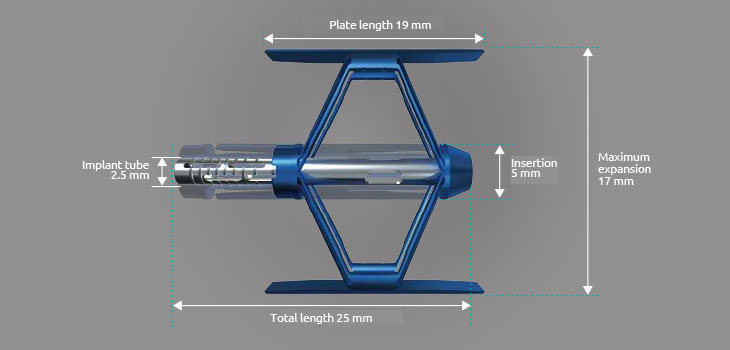
Company officials explain that SpineJack aims to restore a fractured vertebra to its original shape, restore the spinal column’s optimal anatomy, remove pain and enable the patient to recover his functional capabilities. Inserting the implants into the vertebra is carried out by mini-invasive surgery, guided by X-ray, in approximately 30 minutes, enabling the patient to be discharged shortly after surgery. The SpineJack range consists of three titanium implants with three different diameters, thus covering 95% of vertebral compression fractures and all patient morphologies.
Author
React:
Discussion
This is a fascinating development. In my practice we've seen similar outcomes with the revised protocol. The key differentiator seems to be patient selection criteria. Has anyone else noticed the correlation with BMI thresholds?
Great point. I'd push back slightly on the conclusion, the sample size in the cited study is too small to draw population-level inferences. That said, the directional signal is compelling and worth a larger RCT.
We implemented a similar approach last year. Early results are promising but we're still gathering 12-month follow-up data. Happy to share our protocol if anyone is interested.
Join the conversation
Orthopedic professionals are discussing this. Sign in and upgrade to read every comment and add your voice.