
After experiencing a concussion, do women have worse symptoms than do men? One study says “yes” and another says “no.” Tracey Covassin of Michigan State University in East Lansing led a study of 39 male and 56 female soccer players who sustained concussions. All of the players were in high school or college.
It’s Probably a Fact: Men Are Hard Headed
1 min read Premium comments
Secondary
As reported by Reuters Health, the athletes took computer tests that measured their learning and memory skills, reaction time and physical symptoms before the soccer season started and again eight days after their concussion. On the preseason tests, men and women scored similarly. But eight days after their concussions, women scored 69% on a test that measures a person’s ability to remember visual images—as compared to 77% among men. Scores on other thinking and memory tests were still comparable. Women also reported migraines and sleep difficulties more than twice as often as men, according to results published in the American Journal of Sports Medicine.
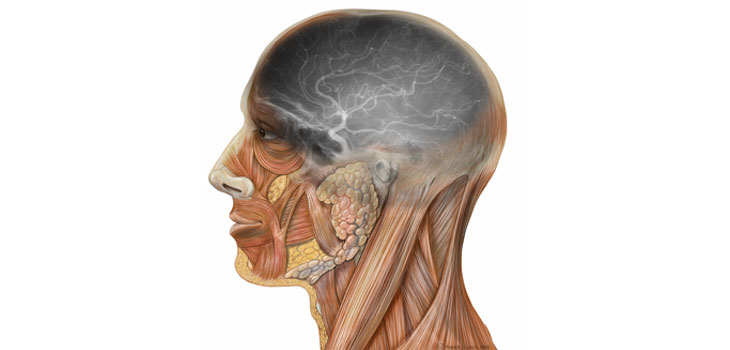
A similar study did not find thinking and memory differences between men and women after a concussion. The author of that study, Scott Zuckerman, M.D. of Vanderbilt University Medical Center in Nashville, Tennessee, was surprised at the different results. He told Reuters Health that the only difference in the studies was that Covassin and her colleagues accounted for athletes’ body mass index (BMI), a measure of weight relative to height, in their results. This suggests that larger people have more neck strength and are better able to stabilize the head on impact, therefore suffering a less severe concussion as a result.
Author
React:
Discussion
This is a fascinating development. In my practice we've seen similar outcomes with the revised protocol. The key differentiator seems to be patient selection criteria. Has anyone else noticed the correlation with BMI thresholds?
Great point. I'd push back slightly on the conclusion, the sample size in the cited study is too small to draw population-level inferences. That said, the directional signal is compelling and worth a larger RCT.
We implemented a similar approach last year. Early results are promising but we're still gathering 12-month follow-up data. Happy to share our protocol if anyone is interested.
Join the conversation
Orthopedic professionals are discussing this. Sign in and upgrade to read every comment and add your voice.