
MAKO Surgical Corp. is buying Pipeline Biomedical Holdings, Inc., before being acquired by Stryker Corporation.
MAKO Swallows Manufacturing Partner
1 min read Premium comments
Secondary
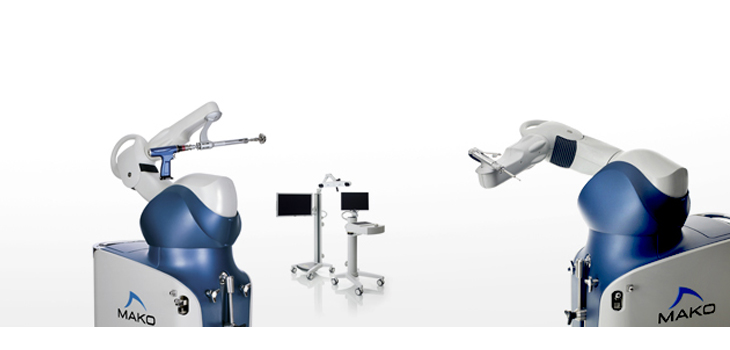
Pipeline has been MAKO’s partner since 2010. The company has developed and supplied advanced implant technologies for use with MAKO’s RIO Robotic-Arm Interactive Orthopedic system, including the proprietary MAKO-branded RESTORIS PST Cup and Tapered Stem hip implant system for use with the RIO’s MAKOplasty Total Hip Arthroplasty software application.
The acquisition, according to an October 2, 2013 announcement includes substantially all of Pipeline’s business dedicated to the design, development, manufacture and commercialization of orthopedic devices and related instruments for use with both robotic devices and manual medical procedures.
MAKO makes money not only through maintenance agreements, but also by selling implants and instrumentation for each procedure performed. So it makes sense to own the business which makes those implants.
The purchase price for the transaction consists of a credit for a cash down payment previously paid to Pipeline in the amount of $2.5 million and the issuance of an aggregate of 3, 953, 771 unregistered shares of common stock of MAKO. Stryker agreed to pay $30 per share for MAKO in a deal worth almost $1.7 billion. The provision for that deal included the issuance of another roughly 4 million MAKO shares, presumably to consummate the Pipeline deal.
Stryker’s acquisition announcement stated that the shares would be issued “in connection with an anticipated acquisition which Stryker expects MAKO will consummate as part of MAKO’s normal course of business.”
The transaction was expected to be completed immediately.
Author
React:
Discussion
This is a fascinating development. In my practice we've seen similar outcomes with the revised protocol. The key differentiator seems to be patient selection criteria. Has anyone else noticed the correlation with BMI thresholds?
Great point. I'd push back slightly on the conclusion, the sample size in the cited study is too small to draw population-level inferences. That said, the directional signal is compelling and worth a larger RCT.
We implemented a similar approach last year. Early results are promising but we're still gathering 12-month follow-up data. Happy to share our protocol if anyone is interested.
Join the conversation
Orthopedic professionals are discussing this. Sign in and upgrade to read every comment and add your voice.