
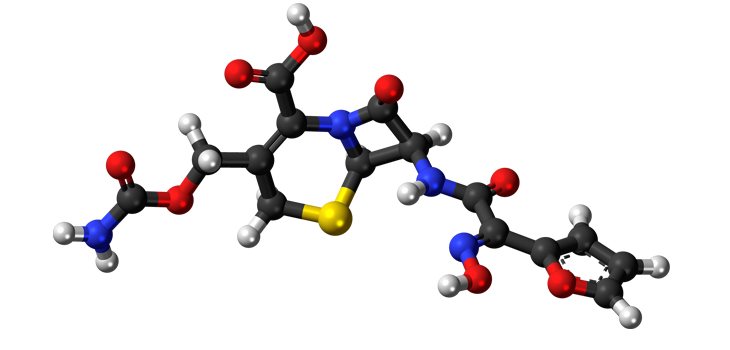
The online publication TeleManagement reports that knee replacement patients are less likely to experience complications following their surgery if surgeons used bone cement along with the antibiotic cefuroxime. Potential complications for diabetics after knee replacement surgery include slow wound healing, problems with fracture healing and lack of sensation in the joint that can lead to un-noticed trauma.
Cefuroxime Infused Bone Cement Cuts Risks
1 min read Premium comments
Secondary
Researchers in Indiana studied the records of over 5, 000 patients who had knee replacement surgery. Six percent had diabetes. They found that deep infections in the operation area ran at 0.7% for people without diabetes, and at 1.2% in the diabetic group. Those diabetics treated with bone cement and the antibiotic cefuroxime were less likely to have a deep infection.
About one in five of people in the United States who are over the age of 65 now have diabetes, according to TeleManagement. That is also the age range where individuals are most likely to need a knee replacement.
Author
React:
Discussion
This is a fascinating development. In my practice we've seen similar outcomes with the revised protocol. The key differentiator seems to be patient selection criteria. Has anyone else noticed the correlation with BMI thresholds?
Great point. I'd push back slightly on the conclusion, the sample size in the cited study is too small to draw population-level inferences. That said, the directional signal is compelling and worth a larger RCT.
We implemented a similar approach last year. Early results are promising but we're still gathering 12-month follow-up data. Happy to share our protocol if anyone is interested.
Join the conversation
Orthopedic professionals are discussing this. Sign in and upgrade to read every comment and add your voice.