
James Krieg, M.D has joined the Rothman Institute (RI) at Jefferson as chief of Orthopedic Trauma and Fracture Care, and professor of Orthopedic Surgery at Jefferson Medical College. Dr. Krieg was previously attending physician at Harborview Medical Center in Seattle, and an associate professor of Orthopaedic Surgery at the University of Washington. Prior to this, he was Orthopaedic Trauma director at Legacy Emanuel Hospital in Portland, Oregon.
James C. Krieg, M.D. New Head of Trauma at Rothman
2 min read Premium comments
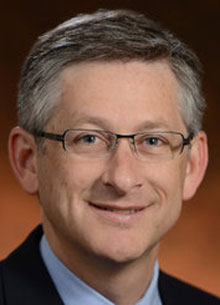
In his new role, Dr. Krieg is responsible for providing expert care of fractures, including those in trauma patients. He is also an active member of the Jefferson faculty, engaged in teaching medical students and residents, and research in the techniques used to treat fractures.
“This is a critically important addition to our department and the Rothman Institute, ” says Todd J. Albert, M.D., professor and chair of Orthopedic Surgery at Jefferson, in the September 3, 2013 news release. “Dr. Krieg will help us develop the system to care for patients from across the region with all forms of orthopedic trauma. He is a leader in his discipline. Philadelphia is lucky to have him.”
His research interests involve fracture treatment and healing, and have led to novel treatment methods for pelvic fractures and rib fractures. He has published extensively in professional journals and authored several textbook chapters and is a dedicated educator, both nationally and internationally.
Dr. Krieg completed his residency in orthopedic surgery at the University of Iowa Hospitals and Clinics in Iowa City and his fellowship in orthopedic traumatology at Harborview Medical Center.
Dr. Krieg told OTW, “The Orthopaedic Trauma and Fracture Service at Rothman is an invaluable addition to TJUH [Thomas Jefferson University Hospitals], a Level I Trauma Center. The short term goals are to create a comprehensive team that approaches trauma and fracture care with all of the focus and attention that other orthopedic disease processes receive. The ability to use evidence driven protocols in the management of orthopedic trauma will provide better, more efficient care for patients with fractures. In addition, the addition of a dedicated orthopedic trauma surgeon adds another level of expertise and experience. As a subspecialty, orthopedic trauma has evolved significantly over the past decade, improving outcomes after fracture. This added expertise will directly benefit the patients of the RI and TJUH.”
“The immediate integration of a dedicated orthopedic trauma service has improved coordination of patient care, as well as resident education and research. In the long run, the Orthopaedic Trauma and Fracture Service looks to be the regional referral center for trauma patients with musculoskeletal injury. In addition, we will serve as a resource for management of all complex fractures, in addition to malunions and nonunions. The history of excellence of the Rothman Institute is well known throughout the orthopedic spectrum. This tradition of excellence will now extend to fracture care as well.”
React:
Discussion
This is a fascinating development. In my practice we've seen similar outcomes with the revised protocol. The key differentiator seems to be patient selection criteria. Has anyone else noticed the correlation with BMI thresholds?
Great point. I'd push back slightly on the conclusion, the sample size in the cited study is too small to draw population-level inferences. That said, the directional signal is compelling and worth a larger RCT.
We implemented a similar approach last year. Early results are promising but we're still gathering 12-month follow-up data. Happy to share our protocol if anyone is interested.
Join the conversation
Orthopedic professionals are discussing this. Sign in and upgrade to read every comment and add your voice.