
Women are two to eight times more likely than men to suffer a debilitating tear of the anterior cruciate ligament (ACL) in the knee. So what is going on with women? A new study suggests that a combination of body type and the way women land may be to blame.
Female Shape Responsible for ACL Tears
2 min read Premium comments
Secondary
In two new studies published in the Journal of Athletic Training, Marc Norcross of Oregon State University, documents how women who performed a series of jumping exercises landed (more often than did men) in a way associated with elevated risk of ACL injuries.
Both men and women tended to land stiffly, which can lead to ACL injuries, but women were 3.6 times more likely to land in a “knock-kneed” position. It is this position that the researchers believe may be the critical factor leading to the gender disparity in ACL tears.
“We found that both men and women seem to be using their quad region the same, so that could not explain why females are more at risk, ” Norcross said. “Using motion analysis, we were able to pinpoint that this inability to control the frontal-plane knee loading—basically stress on the knee from landing in a knock-kneed position—as a factor more common in women.”
“Future research may isolate why women tend to land this way, ” he added, “but it could be because of basic biology. Women have wider hips, making it more likely that their knees come together after jumping.”
The researchers used motion analysis software to monitor the landing strategies of 82 physically active men and women. They found that both males and females had an equal likelihood of landing stiffly—likely from tensing the muscles in their quads before landing—putting them at higher risk of ACL tears. Women, however, were more likely to land in a “knee valgus” position, essentially knock-kneed.
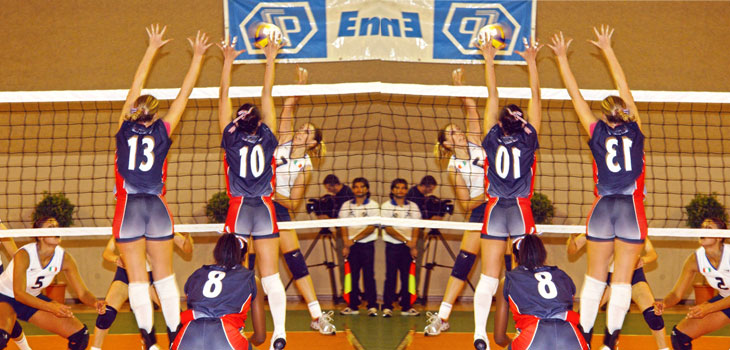
“You see ACL injuries in any sport where you have a lot of jump stops and cuts, so basketball, soccer, lacrosse, and volleyball are high-risk sports, ” said Norcross. “We know that people who hurt themselves tend to look stiff when they land and that the combined ‘knee loading’ from multiple directions is likely causing the injury event.” Norcross notes that ACL injuries can lead to early onset arthritis, which then impacts an athletes’ ability to stay physically active.
Author
React:
Discussion
This is a fascinating development. In my practice we've seen similar outcomes with the revised protocol. The key differentiator seems to be patient selection criteria. Has anyone else noticed the correlation with BMI thresholds?
Great point. I'd push back slightly on the conclusion, the sample size in the cited study is too small to draw population-level inferences. That said, the directional signal is compelling and worth a larger RCT.
We implemented a similar approach last year. Early results are promising but we're still gathering 12-month follow-up data. Happy to share our protocol if anyone is interested.
Join the conversation
Orthopedic professionals are discussing this. Sign in and upgrade to read every comment and add your voice.