
Avoiding “The Sequester” is Washington’s new pork.
Sequestration and Device Approvals
2 min read Premium comments
Secondary
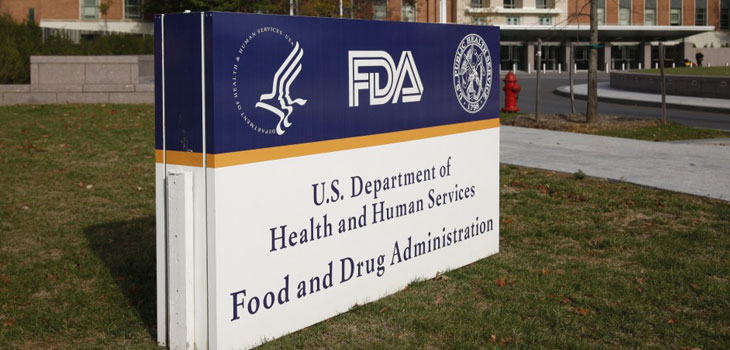
Medical device companies are going to pay about $100 million in Food and Drug Administration (FDA) user fees in 2013 to help cover the costs of being regulated. However, due to sequestration, the FDA can’t touch $85 million of that. That means a slowdown in device reviews, clearances and approvals.
Legislation was introduced in both the House and the Senate recently to shield what the FDA gathers directly from industry. The bill was assigned to a congressional committee on July 31, 2013, which will consider it before possibly sending it on to the House or Senate as a whole. Unfortunately, Congress just went on a one-month vacation.
Steve Ubl, president and CEO of AdvaMed, issued a prepared statement which pointed out that since the sequester took effect earlier this year, medical device and diagnostics companies have been paying the full amount of user fees to FDA as negotiated under last year’s new Medical Device User Fee Agreement, as enacted in the FDA Safety and Innovation Act (FDASIA).”
In FY 2013, according to AdvaMed, $2.9 million in medical device user fees will not be available to the agency, and going forward, additional user fees are at risk because of sequestration.
“User fees paid by industry to FDA should not be treated the same way as taxpayer dollars, ” Ubl said. “The fees paid by medical technology companies under FDASIA represent an agreement between industry, FDA and Congress. Under that agreement, industry agrees to supplement FDA’s appropriated budget with user fees, and the agency agrees to performance commitments designed to increase the efficiency and predictability of the review process.”
During an April hearing of the House appropriations subcommittee that covers agriculture programs and the FDA, Margaret Hamburg, M.D., FDA commissioner, said: “Those monies are being collected from industry, but they’re going into a bank so to speak…and they can’t be used to support our programs and activities. At the same time, they can’t be used to offset the debt, as I understand it.”
California Democrat Congresswoman Anna Eshoo, sponsor of the House bill said, “If the intent of sequestration is to limit public spending, withholding private monies is counterintuitive. Whether one agrees or disagrees with sequestration, I don’t believe private dollars should be held hostage by the policy. It discourages investment in medical innovation and denies patients access to timely therapies.”
Author
React:
Discussion
This is a fascinating development. In my practice we've seen similar outcomes with the revised protocol. The key differentiator seems to be patient selection criteria. Has anyone else noticed the correlation with BMI thresholds?
Great point. I'd push back slightly on the conclusion, the sample size in the cited study is too small to draw population-level inferences. That said, the directional signal is compelling and worth a larger RCT.
We implemented a similar approach last year. Early results are promising but we're still gathering 12-month follow-up data. Happy to share our protocol if anyone is interested.
Join the conversation
Orthopedic professionals are discussing this. Sign in and upgrade to read every comment and add your voice.