
Providence Medical Technology, Inc., based in San Francisco, California, has received 510(k) clearance from the FDA for PMT Cervical Cage. The cage is a minimally invasive implant and delivery system for cervical fusion procedures.
PMT Cervical Cage Gets FDA Clearance
1 min read Premium comments
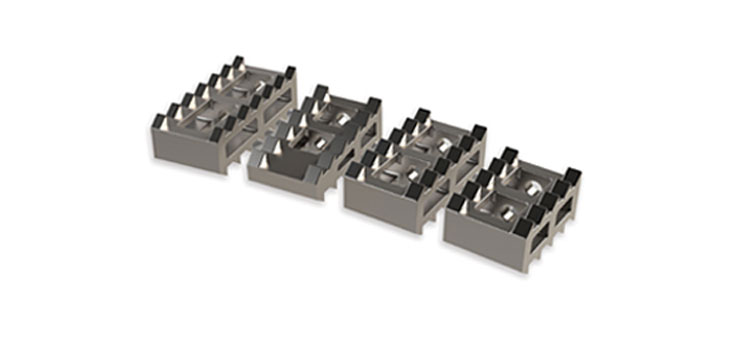
Secondary
According to Jeff Smith, chief executive officer of Providence Medical Technology, the PMT Cervical Cage is indicated for use in skeletally mature patients with degenerative disc disease of the cervical spine with accompanying radicular symptoms at one disc level.
The firm defines discogenic disc disease as degeneration of the disc confirmed by patient history and radiographic studies. Smith says that patients should have received at least six weeks of non-operative treatment prior to treatment with the device. Devices are intended to be used with autogenous bone graft and supplemental fixation, such as an anterior plating system.
This FDA clearance completes the company’s current U.S. product portfolio, which also includes DTRAX Spinal System, DTRAX Graft, and Bone Screws. DTRAX Spinal System and DTRAX Graft are on the market, and PMT Cervical Cage and Bone Screws will launch the third quarter of 2013.
Smith said, “Our U.S. launch of Providence’s MT Cervical Cage will build upon our successful international experience, where we have sold over 500 DTRAX Facet System units since its launch in Q4 of 2011. The clinical outcomes achieved by our customers and their patients have surpassed our expectations and we are excited to bring this clinical value to U.S. surgeons and patients.”
Author
React:
Discussion
This is a fascinating development. In my practice we've seen similar outcomes with the revised protocol. The key differentiator seems to be patient selection criteria. Has anyone else noticed the correlation with BMI thresholds?
Great point. I'd push back slightly on the conclusion, the sample size in the cited study is too small to draw population-level inferences. That said, the directional signal is compelling and worth a larger RCT.
We implemented a similar approach last year. Early results are promising but we're still gathering 12-month follow-up data. Happy to share our protocol if anyone is interested.
Join the conversation
Orthopedic professionals are discussing this. Sign in and upgrade to read every comment and add your voice.