
Zimmer Holdings, Inc. announced on May 2, 2013 that the company has acquired the assets of West Chester, Pennsylvania-based and Viscogliosi Brothers, LLC-founded, Knee Creations, LLC.
Zimmer Buys Subchondroplasty Procedure
1 min read Premium comments
Secondary
Knee Creations was founded in 2007 to focus on integrating cutting-edge scientific research into first-of-a-kind surgical solutions to treat defects associated with subchondral bone marrow edema (BME). The company was funded with an angel equity round and a Series A equity round of financing, together with debt, led by Viscogliosi Brothers, LLC, Praefinium and Philadelphia Medical Investment Group, LLC.
The company said the acquisition of Knee Creations’ Subchondroplasty procedure enhances Zimmer’s product portfolio of knee treatment. “Subchondroplasty is an innovative, proprietary joint-preservation treatment that has been shown to deliver sustained relief to patients with knee pain, with or without arthritis. It is the first procedure to address an unmet clinical need between early interventions, including NSAIDs (nonsteroidal anti-inflammatory drugs) and arthroscopy, and total joint replacement, ” stated the company announcement.
“Zimmer is committed to developing the most comprehensive range of therapies for knee patients, from early intervention and joint preservation products to patient specific instrumentation and personalized joint replacements, ” said Jeff McCaulley, president, Zimmer Reconstructive. “The acquisition of Knee Creations’ revolutionary Subchondroplasty treatment provides Zimmer with another clinically differentiated offering that addresses an unmet clinical need.”
Marc Viscogliosi, a founder and chairman of Knee Creations, LLC, stated, “As a global leader, we believe Zimmer can make the greatest impact with the revolutionary Subchondroplasty procedure platform.”
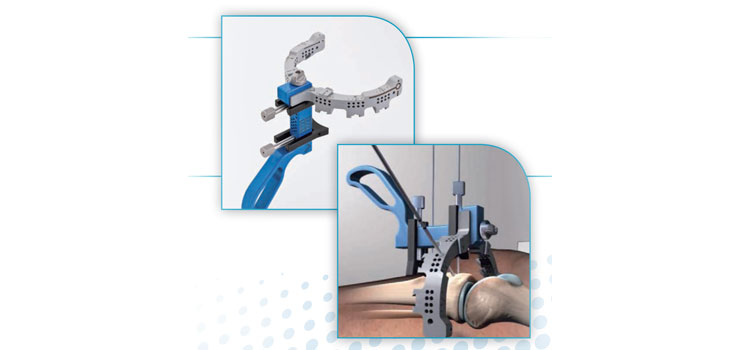
According to the Zimmer press release, Subchondroplasty is a percutaneous outpatient intervention that addresses the defects associated with subchondral bone marrow edema (BME). BMEs are related to stress fractures or micro-fractures and are diagnosed using MRI. Left untreated, these defects have been shown to lead to cartilage degeneration, limited function, pain and greater risk for joint deterioration.
In this minimally invasive, arthroscopically assisted procedure, navigation instruments are used to inject a specialized bone void filler to treat the bone defect and begin the healing process, without violating the joint. Since its introduction in November 2010, more than 1, 500 Subchondroplasty procedures have been completed.
Author
React:
Discussion
This is a fascinating development. In my practice we've seen similar outcomes with the revised protocol. The key differentiator seems to be patient selection criteria. Has anyone else noticed the correlation with BMI thresholds?
Great point. I'd push back slightly on the conclusion, the sample size in the cited study is too small to draw population-level inferences. That said, the directional signal is compelling and worth a larger RCT.
We implemented a similar approach last year. Early results are promising but we're still gathering 12-month follow-up data. Happy to share our protocol if anyone is interested.
Join the conversation
Orthopedic professionals are discussing this. Sign in and upgrade to read every comment and add your voice.