
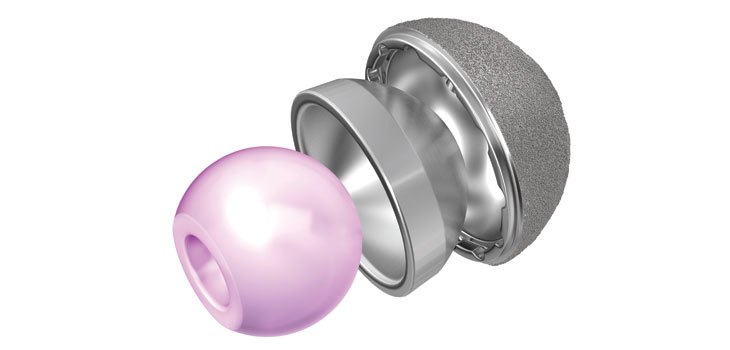
DePuy Orthopaedics, Inc. is discontinuing the use of metal liners in the company’s Ultamet metal-on-metal and Complete ceramic-on-metal hip systems.
DePuy Dumps Metal-on-Metal
2 min read Premium comments
Secondary
Not a Recall
In a May 16, 2013 statement, the company said this is not a recall and the decision was made not out of safety concerns, but because of low clinician use of the systems and the availability of other options that meet the clinical needs of patients. The company also noted proposed changes in FDA regulations of the entire class of metal-on-metal products.
The discontinuation will be effective August 31, 2013 so surgeons will be able to plan accordingly for upcoming surgeries. The ceramic head used in Complete will continue to be available for use in other bearing surface combinations.
The discontinued metal liner was designed exclusively for use with DePuy’s Pinnacle Acetabular Cup System. The Pinnacle Cup will not be impacted by the move.
Streamlining Portfolio
According to the company, the decision was made in conjunction with an ongoing review of DePuy’s product portfolio. “Other worldwide product discontinuations will be announced throughout 2013 and 2014 that will simplify and streamline DePuy’s portfolio by focusing on fewer, worldwide strategic product platforms.”
90% Decline in Sales
Clinician use of ceramic-on-metal and metal-on-metal bearings is extremely low and not expected to increase. In the U.S. and Europe in 2012, metal-on-metal bearings comprised less than 2% of the bearings implanted. This, according to the company, represents a 90% decline in industry sales since 2007. Industry sales of ceramic-on-metal bearings have been low since their introduction to the market. Ultamet and Complete now represent less than 1% of DePuy bearings sold in these markets.
Shifting Physician Preferences
The company noted advancements in polyethylene bearing technology and the recent approval of next generation options. “Physician preferences have shifted toward metal-on-polyethylene, ceramic-on-polyethylene and ceramic-on-ceramic [CoC] bearings, ” said the statement. The options include the newly approved DePuy Ceramax total hip system with Biolox delta ceramic-on-ceramic 36MM large femoral head for use with the Pinnacle system. The company says physician use of ceramic-on-ceramic bearings is widespread in Europe where, in 2012, CoC represented over one in five bearings used. The company believes CoC bearings also have considerable growth potential in the U.S. where new options are coming to market.
Regulatory Changes
The regulatory changes noted by the company refer to the January announcement by the FDA that the agency plans to require all metal-on-metal hip replacements with existing 510(k) clearances to be approved through the Premarket Approval (PMA) process. Ultamet was first cleared for sale through the 510(k) process in 2000. DePuy has communicated to the FDA its decision not to pursue a PMA submission for Ultamet.
The company made no reference to ongoing metal-on-metal litigation.
Author
React:
Discussion
This is a fascinating development. In my practice we've seen similar outcomes with the revised protocol. The key differentiator seems to be patient selection criteria. Has anyone else noticed the correlation with BMI thresholds?
Great point. I'd push back slightly on the conclusion, the sample size in the cited study is too small to draw population-level inferences. That said, the directional signal is compelling and worth a larger RCT.
We implemented a similar approach last year. Early results are promising but we're still gathering 12-month follow-up data. Happy to share our protocol if anyone is interested.
Join the conversation
Orthopedic professionals are discussing this. Sign in and upgrade to read every comment and add your voice.