
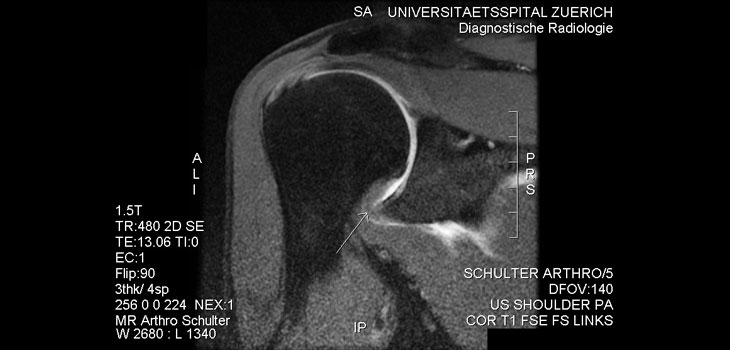
BioSpecifics Technologies Corporation has announced positive, statistically significant top-line data from the Phase IIa study of XIAFLEX for the potential treatment of adhesive capsulitis (frozen shoulder).
XIAFLEX: Positive Results for Adhesive Capsulitis
2 min read Premium comments
Secondary
“We are very encouraged by these positive results and look forward to progress in this program which Auxilium expects in the second half of this year, ” reflected Thomas L. Wegman, president of BioSpecifics, in the March 26, 2013 news release. “We believe there is strong potential for XIAFLEX in frozen shoulder as there are few optimal treatment strategies and no approved therapies available. These data further support the vast potential of XIAFLEX for many conditions and diseases caused by collagen accumulation, in addition to the five indications in clinical development and the sBLA under review at the FDA for XIAFLEX for Peyronie’s disease.”
This open-label, Phase IIa study was conducted at 11 sites in the U.S. by BioSpecifics’ strategic partner Auxilium Pharmaceuticals, Inc. The goal was to assess the safety and efficacy of XIAFLEX for the treatment of Stage 2 unilateral idiopathic frozen shoulder in comparison to an exercise-only control group.
This study involved 50 adult men and women; 4 cohorts of 10 patients each received up to three ultrasound-guided extraarticular injections of varying doses of XIAFLEX separated by a minimum of 21 days. All patients were instructed to perform home shoulder exercises. The fifth cohort of ten patients received no XIAFLEX injections and only performed home shoulder exercises. The study’s primary endpoint was the change (in degrees) from baseline to the day 92 follow-up in active forward flexion in the affected shoulder compared to the exercise-only cohort. Safety assessments were made during all study visits and immunogenicity testing was performed at screening and day 92.
Both the 0.58mg and 0.58mg dosing arms showed positive, statistically significant improvement from baseline in forward flexion vs. the exercise-only group. The 0.58mg dosing arm also showed statistically significant improvement from baseline in shoulder abduction vs. the exercise-only group. Positive trends with improvement in degrees were also seen in other active range of motion assessments versus the exercise-only group. Patients were also assessed using the American Shoulder and Elbow Surgeons Scale for function and pain. Both the 0.58mg and 0.58mg cohort demonstrated statistically significant improvement in pain and function over baseline scores versus the exercise-only group.
React:
Discussion
This is a fascinating development. In my practice we've seen similar outcomes with the revised protocol. The key differentiator seems to be patient selection criteria. Has anyone else noticed the correlation with BMI thresholds?
Great point. I'd push back slightly on the conclusion, the sample size in the cited study is too small to draw population-level inferences. That said, the directional signal is compelling and worth a larger RCT.
We implemented a similar approach last year. Early results are promising but we're still gathering 12-month follow-up data. Happy to share our protocol if anyone is interested.
Join the conversation
Orthopedic professionals are discussing this. Sign in and upgrade to read every comment and add your voice.