
TissueGen, Inc. has announced the availability of its ELUTE biodegradable drug-loaded fiber products, including pharmaceutical-loaded fibers and growth factor-loaded fibers. TissueGen’s core technology includes patented processes for extrusion of biodegradable drug-loaded fibers at room temperature. TissueGen’s innovative process preserves the biological activity of incorporated drugs and therapeutic agents, thereby enabling drug delivery and sustained therapeutic release through implantable medical devices.
TissueGen: New Biodegradable Drug-Loaded Fibers
2 min read Premium comments
Secondary
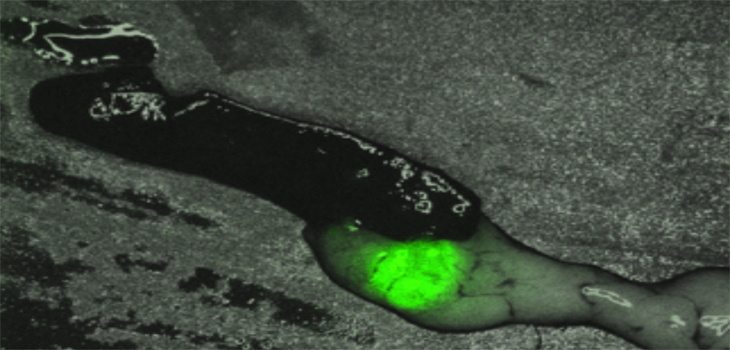
TissueGen’s patented extrusion process at room temperature enables delivery of the widest selection of drugs and biologically based entities directly to targeted internal sites via its ELUTE biodegradable drug-loaded fibers. Tailored design allows tunable release profiles and a unique biomaterial format for delivery of a broad range of therapeutics from small pharmaceuticals to protein-class drugs such as enzymes, growth factors, and even viral particles.
ELUTE biodegradable drug-loaded fibers may also be loaded with biologically derived agents such as peptides and protein-class drugs including growth factors, enzymes, cytokines, carbohydrates, oligonucleotides, and even live viruses. TissueGen’s patented process provides a high degree of retained biological activity. TissueGen has extensive experience loading sensitive growth factors such as Nerve Growth Factor (NGF), Vascular Endothelial Growth Factor (VEGF), as well as other sensitive biological molecules including immune proteins, enzymes (i.e. IgG), and live adenoviruses. These sensitive therapeutic agents are ideally suited for advanced research applications to serve as scaffolding in regenerative medical applications.
“ELUTE biodegradable drug-loaded fibers have the potential to revolutionize the capabilities and performance of implantable medical devices resulting in faster healing, improved patient compliance, and lower negative outcomes at relatively low cost, ” said Christopher Knowles, CEO of TissueGen in the April 9, 2013 news release. “TissueGen loads biodegradable fibers with the widest selection of drugs and therapeutic agents ever possible thanks to our patented room temperature extrusion process resulting in controlled and localized delivery in the body.”
Asked about challenges and milestones, Christopher Knowles told OTW, “TissueGen’s scientific development team has tackled many interesting challenges throughout our history. Relative to our proprietary drug loading technology, we were surprised at the relative ease with which we were able to load live viruses into biodegradable fibers. This was expected to be a particularly difficult application. Concerning the mechanical strength of our fibers, the development of drug-loaded biodegradable suture material that exceeds USP standards proved to be more challenging than anticipated. Both successes are directly attributable to the talent and dedication of our scientific team.”
As for where they hope to be in six months, Knowles commented to OTW, “TissueGen will transition operations to a state of the art facility later this year and looks forward to delivering ELUTE biodegradable drug-loaded fiber to the industry’s leading medical device companies. We are confident that our partnership with textile manufacturing leaders including our preferred medical textile manufacturer, Biomedical Structures [LLC], will accelerate availability of our patented technology to provide innovative new solutions to address patient’s critical needs.”
React:
Discussion
This is a fascinating development. In my practice we've seen similar outcomes with the revised protocol. The key differentiator seems to be patient selection criteria. Has anyone else noticed the correlation with BMI thresholds?
Great point. I'd push back slightly on the conclusion, the sample size in the cited study is too small to draw population-level inferences. That said, the directional signal is compelling and worth a larger RCT.
We implemented a similar approach last year. Early results are promising but we're still gathering 12-month follow-up data. Happy to share our protocol if anyone is interested.
Join the conversation
Orthopedic professionals are discussing this. Sign in and upgrade to read every comment and add your voice.