
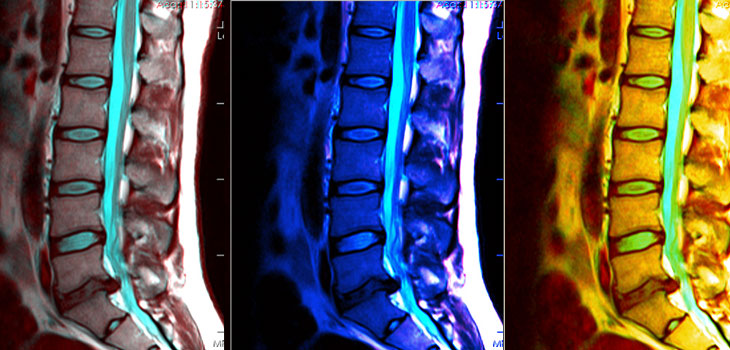
Family physicians are ordering too many lumbar spine MRI scans, according to a Canadian study reported March 26 by Crystal Phend, senior staff writer for MedPage Today. Only 34% of lower back scans ordered by family physicians were considered appropriate compared with 58% ordered by physicians in other specialties. Derek Emery, M.D. and his colleagues at the University of Alberta in Edmonton, found that when MRIs were analyzed by an expert panel, 29% of the MRI referrals to two large teaching hospitals were deemed inappropriate and a further 27% were of “uncertain value.”
Number of Lumbar Spine MRIs Questioned
1 min read Premium comments
Secondary
“Eliminating inappropriate scans and some of uncertain value could reduce the harm that accrues from unneeded investigations and result in significant cost savings, ” they wrote in an online research letter to JAMA Internal Medicine. Emery noted that lumbar spine scans have risen dramatically to account for about a third of all MRIs done in some regions, despite the poor correlation between its findings and clinical signs and symptoms, Phend reported.
“Overuse is driven by many factors, including patient expectations, physician concerns about litigation, and lack of physician accountability for cost, ” Emery said. “Solutions will require strict adherence to appropriate guidelines and better education of patients.”
The only indication for lumbar spine MRI among the 1, 000 outpatient referrals that Emery and his fellow investigators examined that routinely received a rating of “appropriate” by the expert panel was postoperative leg or back pain. These cases accounted for only 17% of the lumbar spine MRI orders. The rest were three times more likely to receive an uncertain or inappropriate rating than to be judged appropriate. Phend reported that neurosurgeons were most likely to order appropriately (76%), whereas Emery and colleagues deemed that fewer than half of the referrals by neurologists and orthopedic surgeons were appropriate.
Author
React:
Discussion
This is a fascinating development. In my practice we've seen similar outcomes with the revised protocol. The key differentiator seems to be patient selection criteria. Has anyone else noticed the correlation with BMI thresholds?
Great point. I'd push back slightly on the conclusion, the sample size in the cited study is too small to draw population-level inferences. That said, the directional signal is compelling and worth a larger RCT.
We implemented a similar approach last year. Early results are promising but we're still gathering 12-month follow-up data. Happy to share our protocol if anyone is interested.
Join the conversation
Orthopedic professionals are discussing this. Sign in and upgrade to read every comment and add your voice.