
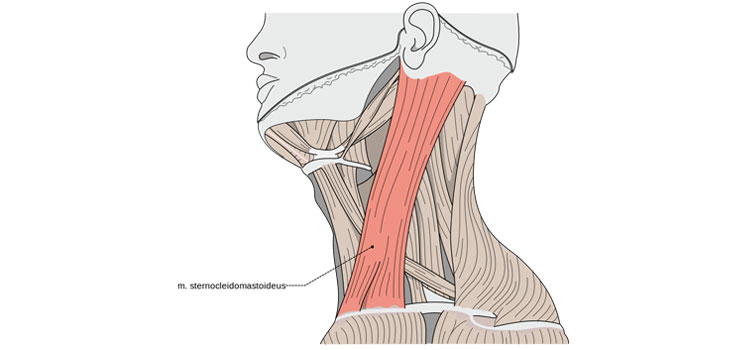
At the fourth annual Youth Sports Safety Summit in early February, Dawn Comstock, associate professor of epidemiology at the Colorado School of Public Health, confirmed what many have suspected—that neck strength could be a predictor of concussions. Since concussions are caused by the brain banging around inside the skull, the weaker the neck, the more movement the head experiences upon an impact.
Neck Size & Strength Concussion Key
1 min read Premium comments
Secondary
Reporting on the conclusion of the Comstock study, Sean Gregory, writing for Time Sports, urged, “Before practices and games, athletes shouldn’t just be stretching and strengthening their legs and backs. They should be working out their necks as well.”
That advice is based on Comstock’s research findings. During two academic years, athletic trainers took a series of measurements of the heads and four measurements of neck strength of 6, 704 student athletes— boys and girls who played lacrosse, soccer and basketball. Then they recorded all incidents of injuries—including concussions—that occurred with every subject.
When they examined their data their suspicions were confirmed. Athletes who experienced concussions had smaller neck circumferences than did their fellow players and frequently had a small neck paired with a large head. Those injured also had less neck strength than did athletes who did not suffer a concussion. According to Gregory, overall neck strength remained a significant predictor of concussion. For every one pound increase in neck strength, odds of concussion fell by 5%.
Comstock’s research helped explain why women participating in these sports experience more concussions than do men. Gregory quoted Comstock as saying: “We focus so much on how to properly diagnose concussions. That’s obviously important, but preventing concussions is a much better outcome. We’re not saying that you won’t get a concussion if your neck is stronger. But the data shows that neck strengthening has strong potential as a key concussion prevention tool.”
Author
React:
Discussion
This is a fascinating development. In my practice we've seen similar outcomes with the revised protocol. The key differentiator seems to be patient selection criteria. Has anyone else noticed the correlation with BMI thresholds?
Great point. I'd push back slightly on the conclusion, the sample size in the cited study is too small to draw population-level inferences. That said, the directional signal is compelling and worth a larger RCT.
We implemented a similar approach last year. Early results are promising but we're still gathering 12-month follow-up data. Happy to share our protocol if anyone is interested.
Join the conversation
Orthopedic professionals are discussing this. Sign in and upgrade to read every comment and add your voice.