
Integra LifeSciences is adding a second cobalt chrome rod for its Daytona and Malibu Spinal Systems. According to the firm’s release, the new rod, called the Enhanced Strength and Stiffness rod (ESS) provides more strength and stiffness than is contained in the existing cobalt chrome rod. The company plans a controlled market release of the product in the third quarter of 2013. Integra presently offers multiple rod options in its various deformity systems, including titanium alloy, stainless steel and cobalt chrome.
Integra Updates Daytona and Malibu Spine Systems
1 min read Premium comments
Secondary
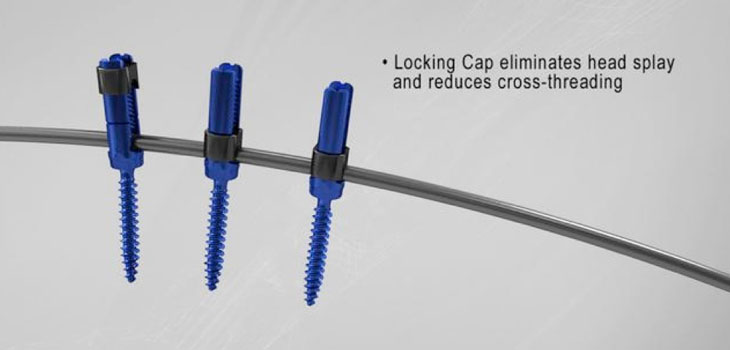
The press release states that the Daytona Deformity System, powered by Malibu technology, is designed to address standard to complex deformity cases in adult patients. The screws feature extended travel housings for 30mm of built in rod reduction, and intuitive instrumentation that accommodates multiple derotation techniques. The new ESS rod is available in straight and lordotic/kyphotic configurations.
“Deformity correction is a specialized segment of the spinal fixation market, where cases are often complex and outcomes may be life-changing, ” said Brian B. Nielsen, M.D., Tucson Orthopaedic Institute. “The type of rod material is frequently dictated by the patient’s condition. The ESS rod is a welcome addition to Integra’s product line, and demonstrates their commitment to provide us with a broader selection of treatment options.”
Kirt Stephenson, Integra’s President – U.S. Spine Division, said, “Integra continues to focus significant product development resources in the area of spinal deformities. Our goal is to provide surgeons with multiple options as they address these challenging clinical situations. We constantly seek feedback from our surgeon customers, and the ESS+ rod is an example of where a new product results from these interactions.”
Author
React:
Discussion
This is a fascinating development. In my practice we've seen similar outcomes with the revised protocol. The key differentiator seems to be patient selection criteria. Has anyone else noticed the correlation with BMI thresholds?
Great point. I'd push back slightly on the conclusion, the sample size in the cited study is too small to draw population-level inferences. That said, the directional signal is compelling and worth a larger RCT.
We implemented a similar approach last year. Early results are promising but we're still gathering 12-month follow-up data. Happy to share our protocol if anyone is interested.
Join the conversation
Orthopedic professionals are discussing this. Sign in and upgrade to read every comment and add your voice.