
Biomet, Inc., with its Vanguard knee system and OrthoSensor, Inc. with its wireless VERASENSE sensors, are forming a co-promotion partnership to, according to a March 18, 2013 press release, “improve knee replacement surgery.”
Biomet and OrthoSensor Co-Promote Knee Product
1 min read Premium comments
Secondary
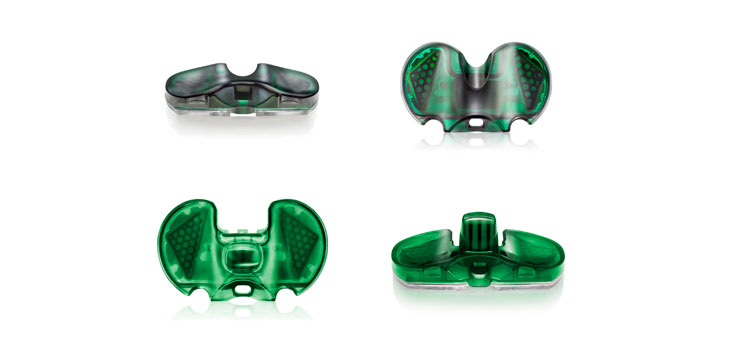
VERASENSE is a trial bearing designed for use with the Vanguard Complete Knee System, which is embedded with sensors and microelectronics to provide surgeons with real-time knee kinetic data. The sensors wirelessly transmit information to a graphic display, allowing surgeons to quantify soft-tissue loads throughout the range of motion. This enables the surgeon to make informed adjustments to the soft tissues and implant placement in order to allow for overall knee balancing. Research has shown that soft tissue balance may aid in the reduction of pain, polyethylene wear, and aseptic loosening while improving patients’ proprioception.
In the press release, OrthoSensor CEO Jay Pierce said the combination “takes knee replacement surgery to a new level of precision by providing surgeons with actionable, intraoperative data to quantify and verify that they balance a knee implant properly during total knee replacement surgery.” Biomet’s global knee leader, Todd Davis, said the company believes that the impact this will have on soft tissue balancing will be “dramatic.”
Biomet’s market share in knees has been holding steady recently, according to BMO Capital Market analyst Joanne Wuensch. Biomet’s worldwide knee sales increased nicely by 3% on a constant currency basis in the last quarter with Vanguard showing some strength, but U.S. sales remained stagnant. She notes the company has started to implement a direct-to-consumer marketing campaign, highlighting a lifetime warranty program available in the U.S.
OrthoSensor’s intelligent orthopedic devices utilize advanced sensor and wireless communication technology with the goal of improving healthcare outcomes and reducing the cost of treating musculoskeletal disease. The company’s intelligent orthopedic instrumentation and implants are designed to enhance surgical implantation, as well as enable remote monitoring of implant function and overall musculoskeletal health.
Author
React:
Discussion
This is a fascinating development. In my practice we've seen similar outcomes with the revised protocol. The key differentiator seems to be patient selection criteria. Has anyone else noticed the correlation with BMI thresholds?
Great point. I'd push back slightly on the conclusion, the sample size in the cited study is too small to draw population-level inferences. That said, the directional signal is compelling and worth a larger RCT.
We implemented a similar approach last year. Early results are promising but we're still gathering 12-month follow-up data. Happy to share our protocol if anyone is interested.
Join the conversation
Orthopedic professionals are discussing this. Sign in and upgrade to read every comment and add your voice.