
From CTV News comes an account of stem cells restoring the sight of a man who had gone blind with a rare disease called corneal limbal stem cell deficiency. Normal cells on Taylor Binns’ corneas were being replaced with scar tissue that was leading to painful ulcers that were clouding his vision. Within two years Binns was legally blind and could neither drive nor read.
Stem Cell Implant Restores Sight
1 min read Premium comments
Secondary
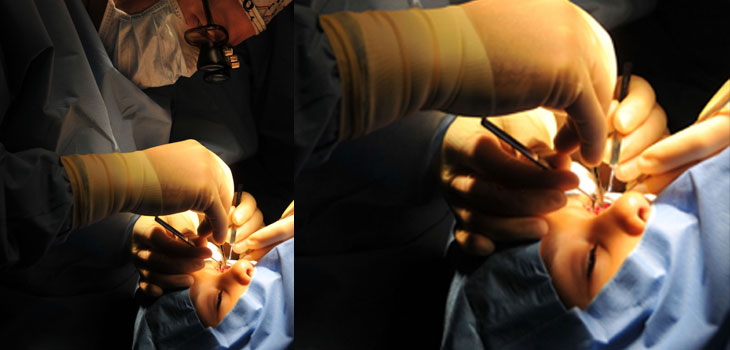
Doctors at Toronto Western Hospital, Toronto, Canada, proposed a limbal stem cell transplant. The limbus is the border between the cornea and the whites of the eye, where the eye creates new epithelial cells. Since Binns’ limbus was damaged, doctors hoped that giving him healthy limbal cells from a donor would cause healthy new cells to grow over the surface.
A healthy match came from Binn’s sister. Surgeons took healthy stem cells from her eyes and stitched them onto the surface of Binns’ eyes. Within a month, he was back to 20/40 vision. At his last visit, he had 20/20 vision in one eye and 20/40 in the other. The surgery on Binns was the first time surgeons performed this treatment in Canada. However, there are several centers in the USA where this treatment is available.
Author
React:
Discussion
This is a fascinating development. In my practice we've seen similar outcomes with the revised protocol. The key differentiator seems to be patient selection criteria. Has anyone else noticed the correlation with BMI thresholds?
Great point. I'd push back slightly on the conclusion, the sample size in the cited study is too small to draw population-level inferences. That said, the directional signal is compelling and worth a larger RCT.
We implemented a similar approach last year. Early results are promising but we're still gathering 12-month follow-up data. Happy to share our protocol if anyone is interested.
Join the conversation
Orthopedic professionals are discussing this. Sign in and upgrade to read every comment and add your voice.