
The FDA has decided that makers of metal-on-metal total hip replacement systems should be ordered to submit premarket approval (PMA) applications.
Metal-on-Metal Hips to Require PMA
2 min read Premium comments
Secondary
On January 17, 2013, the FDA issued the proposed order along with a series of recommendations to orthopedic surgeons and patients thinking about getting a metal-on-metal hip or dealing with already implanted devices.
Orthopedic surgeons should take extra care in patient selection before using metal-on-metal hips and inform patients of the risks before using the implants. Surgeons should also evaluate current asymptomatic patients every six months and be aware of certain patients who are at risk for increased device wear.
The new recommendations follow last June’s unprecedented meeting of the FDA’s orthopedic advisory panel, warnings of implant failures from overseas, product recalls and thousands of lawsuits pending against the makers of the hips.
Recommendations for Orthopedic Surgeons–According to the FDA Recommendations:
Before Surgery
- Select a metal-on-metal hip implant for your patient only after determining that the benefit-risk profile of using a metal-on-metal hip implant outweighs that of using an alternative hip system (metal-on-polyethylene, ceramic-on-polyethylene, ceramic-on-ceramic or ceramic-on-metal). Factors to consider include the patient’s age, sex, weight, diagnosis, and activity level.
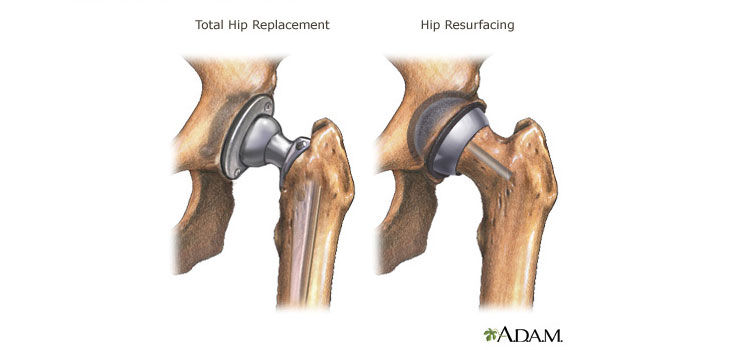
- Note that a 2012 FDA advisory panel of experts identified young males with larger femoral heads as the best candidates for hip resurfacing systems.
- Inform patients about the benefits and risks of metal-on-metal hip implants, including the risk that the hip implant may need to be replaced. Also discuss the patient’s expectations and review the potential complications of surgery with a metal-on-metal hip implant.
- Pay close attention to patient populations for which metal-on-metal hip systems are contraindicated. Be aware of the risk factors that may predispose a device to excess wear and early failure.
Patient Follow-Up
- Follow-up of asymptomatic patients with metal-on-metal hip implants, including physical examinations and routine radiographs, should occur periodically (typically every 1 to 2 years). If the hip is functioning properly, the FDA does not believe there is a clear need to routinely perform additional soft tissue imaging or assess metal ion levels in the blood.
- Be aware that there are certain patients who are at risk for increased device wear and/or adverse local tissue reactions (ALTR) and should be followed more closely. They may include:
- Patients with bilateral implants
- Patients with resurfacing systems with small femoral heads (44mm or smaller)
- Female patients
- Patients receiving high doses of corticosteroids
- Patients with evidence of renal insufficiency
- Patients with suppressed immune systems
- Patients with suboptimal alignment of device components
- Patients with suspected metal sensitivity (e.g. cobalt, chromium, nickel)
- Patients who are severely overweight
- Patients with high levels of physical activity.
- Pay close attention to signs and symptoms that may be associated with metal-on-metal hip implants. Please see the website for a list of common ALTRs and systemic symptoms/complications.
- Conduct a thorough evaluation if a patient with a metal-on-metal hip experiences local symptoms such as pain or swelling at or near the hip, a change in walking ability or a noise from the hip joint more than three months after metal-on-metal hip implant surgery.
- Follow symptomatic patients with metal-on-metal hip implants at least every 6 months.
You’ve got until April 18, 2013 to comment on the proposed order to require PMAs by April 18, 2013. Click here to read the proposed order and submit comments.
Author
React:
Discussion
This is a fascinating development. In my practice we've seen similar outcomes with the revised protocol. The key differentiator seems to be patient selection criteria. Has anyone else noticed the correlation with BMI thresholds?
Great point. I'd push back slightly on the conclusion, the sample size in the cited study is too small to draw population-level inferences. That said, the directional signal is compelling and worth a larger RCT.
We implemented a similar approach last year. Early results are promising but we're still gathering 12-month follow-up data. Happy to share our protocol if anyone is interested.
Join the conversation
Orthopedic professionals are discussing this. Sign in and upgrade to read every comment and add your voice.