
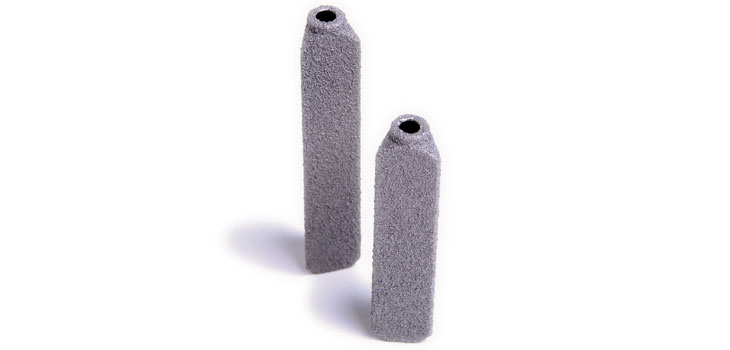
SI-BONE, Inc. has announced the publication of the first peer-reviewed journal article on the iFuse Implant System for the treatment of sacroiliac joint disruptions or degenerative sacroiliitis. The article is a retrospective study of the first 50 consecutive patients treated by a single surgeon in a single center. Patients were evaluated for pain and functional outcomes and showed early and sustained statistically significant improvement at all post-operative time points. Complication rates were low and after an average of 40 months, more than 80% of patients report that they would have the same surgery again. The company also announced it has surpassed another significant milestone with over 5, 000 patients treated with the iFuse Implant System since the product became commercially available in early 2009.
SI-BONE Reaches 5, 000 Patient Milestone
Jeffrey Dunn, President and CEO of SI-BONE stated in the December 11, 2012 news release: “We are delighted to have this first peer-reviewed publication available showing additional evidence of the safety and effectiveness of the iFuse Implant System for treating patients with degenerative sacroiliitis or sacroiliac joint disruption. It also is our understanding that a number of surgeons have submitted, or are in the process of submitting, manuscripts to peer reviewed journals describing their experience with the iFuse in SI joint fusion. We continue to believe that sacroiliac disease has been under-diagnosed and under-treated for many years, and that these results validate the effectiveness of iFuse in this patient population.”
Dunn told OTW, “Many of these patients are two years out from surgery and some are out three years and the satisfaction level from patients is self evident. As a company we receive many emails about patient experience and it’s exciting to see how they are doing. An oil worker who fell down oil rig stairs told us, ‘Anyway, I just wanted to touch base with you and say THANK YOU for the amazing product as it saved my life.’ From a Washington State resident: ‘All I can say is WOW! After a two night hospital stay I returned to Washington State with a new lease on life. My horrible vaginal pain (due to constant irritation of the sacral nerves) was eliminated, leg pain gone, SI pain gone. All I can say is thank you. This new procedure gave me my life back.’”
Asked where he hopes the company to be in a year, Dunn told OTW, “We are now doing about 400 cases per month and we would expect that a dozen peer reviewed PubMed searchable journal papers will be published in the next 6-9 months. As well, surgeons are more experienced now than three years ago when we pioneered minimally invasive sacroiliac surgery so we also believe that efficacy and safety scores will continue to get even better. Finally, our mission of helping improve diagnostic examination expertise as it relates to the lower back is undoubtedly happening as doctors across the country include the sacroiliac joint in their differential diagnosis efforts.”
Discussion
This is a fascinating development. In my practice we've seen similar outcomes with the revised protocol. The key differentiator seems to be patient selection criteria. Has anyone else noticed the correlation with BMI thresholds?
Great point. I'd push back slightly on the conclusion, the sample size in the cited study is too small to draw population-level inferences. That said, the directional signal is compelling and worth a larger RCT.
We implemented a similar approach last year. Early results are promising but we're still gathering 12-month follow-up data. Happy to share our protocol if anyone is interested.
Join the conversation
Orthopedic professionals are discussing this. Sign in and upgrade to read every comment and add your voice.