
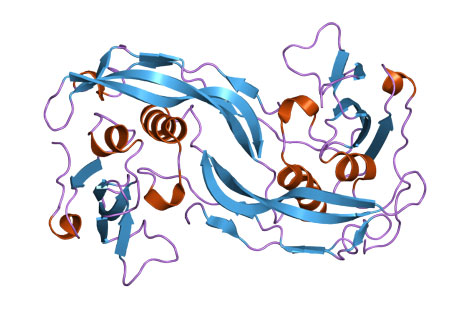
The saga of rhBMP-2 goes on. A study by R. Shay Bess, M.D., of the Rocky Mountain Scoliosis and Spine Center Denver, Colorado, found that a dose of rhBMP-2 was not associated with wound, superficial or deep infections in a study of adults treated for spinal deformity. However it did correlate to increases in minor complications compared to a group of patients who did not receive rhBMP-2.
rhBMP-2 Complications New Study
1 min read Premium comments
Secondary
Looking at complications associated with BMP [bone morphogenetic proteins] use in spinal deformity, the kind of results depends on how you analyze the data, ” Bess said. “In simplistic analysis, BMP had more total minor complications. The two [groups] were similar in wound, deep infection [and] neurological onset.
For their prospective multicenter study Bess and his colleagues collected data for 257 adults undergoing surgery to correct spinal deformity. They compared patients that received rhBMP-2 to patients who did not receive the bone graft substitute.
Using multivariate and regression analyses, Bess and colleagues determined complication types, rates of major and minor complications, complications that required surgery, and any correlation between total rhBMP-2 dose and levels treated. The average follow-up was 20.3 months.
Per patient, the rhBMP-2 group had more complications, higher Charlson comorbidity index scores, longer operative times, more osteotomies per patient, and increased anterioposterior surgery rates than did the non-rhBMP-2 group.
However, the major complications, neurological and wound complications, superficial and deep infections, and complications needing surgery were similar between the groups, Bess said.
The posterior rhBMP-2 dose was associated with total major and neurological complications, he said, but r values showed the correlations were small.
“Clearly, future research should focus on more consistent and advanced data analysis, long-term complications and then, more importantly, the health-related quality of life years, ” Bess said.
Author
React:
Discussion
This is a fascinating development. In my practice we've seen similar outcomes with the revised protocol. The key differentiator seems to be patient selection criteria. Has anyone else noticed the correlation with BMI thresholds?
Great point. I'd push back slightly on the conclusion, the sample size in the cited study is too small to draw population-level inferences. That said, the directional signal is compelling and worth a larger RCT.
We implemented a similar approach last year. Early results are promising but we're still gathering 12-month follow-up data. Happy to share our protocol if anyone is interested.
Join the conversation
Orthopedic professionals are discussing this. Sign in and upgrade to read every comment and add your voice.