
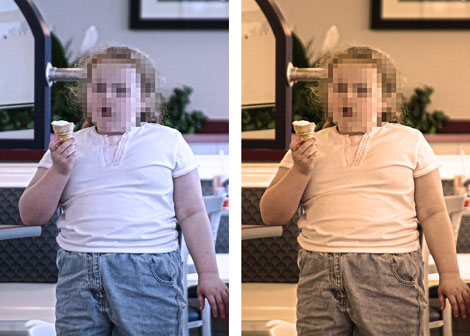
It is tough enough to be fat, but downright unfair that obese children also suffer from joint pain. That fat children do hurt is the conclusion of a study by researchers from Nationwide Children’s Hospital and The Ohio State University, who published their findings in the journal Clinical Orthopaedics and Related Research.
Obese Kids Also Joint Pain Sufferers
1 min read Premium comments
Secondary
The investigators analyzed data from the medical charts of 175 obese children, looking at age, sex, race, stage of puberty, lower extremity pain, physical function, psychosocial health and physical fitness. As reported by Mary Brophy Marcus, writing for HealthDay, 51 of the children reported that they experience lower extremity pain. This group scored lower on physical function and psychosocial health than those who felt no pain. The more obese a child was, the greater the decline in physical function, psychosocial health and fitness scores, Marcus reported.
“Almost 30% of our children are overweight and obese, ” said Dr. Vonda Wright, an orthopedic surgeon at the University of Pittsburgh Medical Center. Wright explained, “Our hips and knees bear five to seven times our body weight. These little frames aren’t supposed to be carrying 150 pounds of body weight. The heavier the child, the bigger the pressure on the joints and cartilage, and that can be painful. It sets up their soft tissue for inflammation.”
Dr. Steven Cohen, a sports medicine surgeon and medical director for the Philadelphia Marathon, said that being overweight is strongly connected to diet and inactivity. His concern is for children’s long-term bone health. “A few decades down the road they’ll have a higher likelihood of developing arthritis because the load on their joints on a daily basis for years and years will lead to degenerative changes, ” he said.
Wright recommends that children cut back on their consumption of sugar, explaining that a high sugar diet can lead to inflammation. “Get your vitamin C from fruits, not high-sugar juices, ” he said. “This research is another brick in the wall pointing to the devastating effects of heavy weight in children. We need to reverse the culture of sedentary children.”
Author
React:
Discussion
This is a fascinating development. In my practice we've seen similar outcomes with the revised protocol. The key differentiator seems to be patient selection criteria. Has anyone else noticed the correlation with BMI thresholds?
Great point. I'd push back slightly on the conclusion, the sample size in the cited study is too small to draw population-level inferences. That said, the directional signal is compelling and worth a larger RCT.
We implemented a similar approach last year. Early results are promising but we're still gathering 12-month follow-up data. Happy to share our protocol if anyone is interested.
Join the conversation
Orthopedic professionals are discussing this. Sign in and upgrade to read every comment and add your voice.