
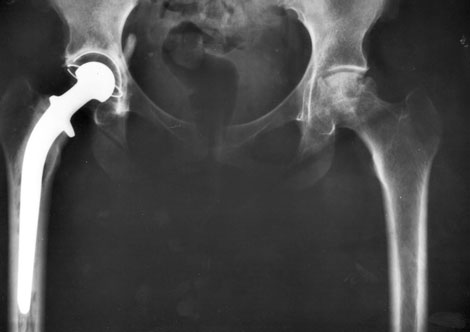
On October 26, Medsafe, New Zealand’s Medicines and Medical Devices Safety Authority noted that Zimmer Holdings, Inc.’s Durom Acetabular Cup was subject to an international hazard alert.
Metal-on-Metal Hip Hazard Alert and Litigation Update
2 min read Premium comments
Secondary
According to the New Zealand Joint Registry the device is no longer used in New Zealand, was discontinued by Zimmer in 2011 and was used in 252 hip implants in the country. Surgeons had been asked some months ago to carry out annual monitoring of all patients with metal-on-metal hip implants.
Garry Clark, Zimmer’s director of public relations, told OTW that in response to the ongoing public discussion on metal-on-metal articulations, “demand for these systems has declined substantially. In the majority of markets globally, Zimmer’s customers are requesting alternative products and it is no longer commercially viable for the company to offer these systems.”
In a press release, Medsafe Group Manager Dr. Stewart Jessamine says patient health is not at risk – some people will simply require their implant to be replaced earlier than expected.
“On average 90% of people with a metal-on-metal hip implant will have no problems with their implant at 10 years – a revision rate of 1.00 per 100 component years.
“For the Durom device around 84% of patients will not have problems at 10 years. The slightly higher revision rate of 1.68 per 100 component years is the reason why the product is being recalled. They do not pose any additional health risk to patients.
“There is a greater awareness by manufacturers and regulators about these devices, which is why we are seeing more of these alerts”, said Dr. Jessamine.
This, according to Medsafe, is the fifth action in New Zealand relating to the use of metal-on-metal implant components, starting with DePuy Orthopaedics’ ASR in 2010 (525 devices in New Zealand), and earlier in this year, the Mitch TR (41), the Smith and Nephew R3 (139) and the Birmingham Hip Modular Head (396).
FDA Action
The FDA convened a panel of independent experts this past June to review the risk of problems associated with metal-on-metal hips. The panel determined there is little, if any, benefit provided by using metal-on-metal hips. Individuals who previously received one of the systems should obtain regular examinations to check on the condition of the hip, even if they are not experiencing problems. Those who develop symptoms of pain or other complications have been urged to obtain annual blood tests for signs of metal blood poisoning.
Lawsuit Update
Thousands of lawsuits have been filed against the manufacturers (including Biomet, Inc., maker of the M2A Magnum hip not mentioned in the New Zealand action) of metal-on-metal hips. Those suits have been consolidated in various jurisdictions through multidistrict litigation (MDL) proceedings awaiting the organization and structure for the consolidated pretrial proceedings.
In addition to the Biomet MDL, at least three other MDLs have already been established for lawsuits over other metal-on-metal hip replacements that have been linked to similar problems, including the DePuy ASR hip, DePuy Pinnacle hip and Wright Medical Group, Inc.’s Conserve hip.
Author
React:
Discussion
This is a fascinating development. In my practice we've seen similar outcomes with the revised protocol. The key differentiator seems to be patient selection criteria. Has anyone else noticed the correlation with BMI thresholds?
Great point. I'd push back slightly on the conclusion, the sample size in the cited study is too small to draw population-level inferences. That said, the directional signal is compelling and worth a larger RCT.
We implemented a similar approach last year. Early results are promising but we're still gathering 12-month follow-up data. Happy to share our protocol if anyone is interested.
Join the conversation
Orthopedic professionals are discussing this. Sign in and upgrade to read every comment and add your voice.