
Raymond Linovitz, M.D., a retired board certified orthopedic surgeon in Southern California, has accepted appointment to the Advisory Board of Aurora Spine, a firm specializing in minimally-invasive (MIS), regenerative technologies. Linovitz has authored publications on the diagnosis and treatment of disorders of the spine and has been involved in the development of new technology and surgical instruments.
Linovitz Joins Aurora Spine Advisory Board
1 min read Premium comments
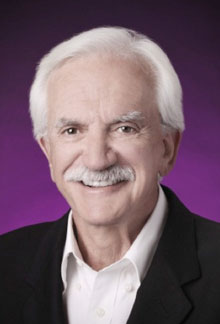
“We are excited to have Dr. Linovitz join our team. His research and principal investigator background will be vital to Aurora’s innovative product portfolio and to our scientific advisory board, ” said Trent Northcutt, CEO of Aurora Spine.
Laszlo Garamszegi, CTO of Aurora Spine, added: “With the addition of Dr. Linovitz to our advisory board the Aurora Spine Research and Development Team now has access to one of the most experienced and well respected surgeons to collaborate with in order to develop our unique spinal products.”
Author
React:
Discussion
This is a fascinating development. In my practice we've seen similar outcomes with the revised protocol. The key differentiator seems to be patient selection criteria. Has anyone else noticed the correlation with BMI thresholds?
Great point. I'd push back slightly on the conclusion, the sample size in the cited study is too small to draw population-level inferences. That said, the directional signal is compelling and worth a larger RCT.
We implemented a similar approach last year. Early results are promising but we're still gathering 12-month follow-up data. Happy to share our protocol if anyone is interested.
Join the conversation
Orthopedic professionals are discussing this. Sign in and upgrade to read every comment and add your voice.