
Spinal Restoration, Inc., developer of the Biostat System, has closed on a $5 million financing round to fund the company’s Biologic License Application (BLA) submission and early commercialization efforts.
Spinal Restoration Secures Funding for FDA Process
1 min read Premium comments
Secondary
The System, according to the company, is the first intradiscal biologic therapy for discogenic pain. The company has completed enrollment of a Phase III Investigational New Drug (IND) study and expects to complete analysis of the six month primary endpoint data early next year. The outcome of that study, along with data from previous preclinical and pilot clinical studies, is expected to provide the basis for the BLA submission in mid-2013.
If successful, the company believes the Phase III study could have an “extensive, far-reaching impact on the diagnosis and treatment of millions of patients who suffer from the debilitating effects of chronic discogenic low back pain.”
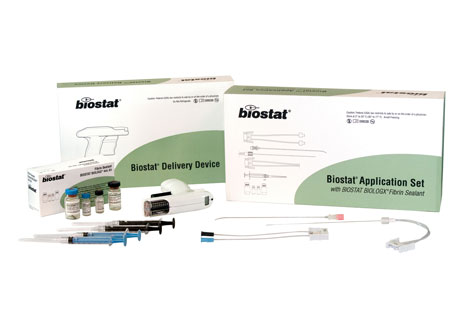
The Biostat System consists of Biostat Biologx Fibrin Sealant, a human derived, resorbable biologic tissue sealant, and the Biostat Delivery Device, a proprietary application system designed to safely and effectively deliver the biologic to the intervertebral disc. Application of the sealant to the disc may alleviate discogenic pain by sealing the painful disc disruptions, reducing inflammation, and enhancing tissue repair.
The additional $5 million funding includes $3 million in equity from current investors Austin Ventures, Santé’ Ventures, and MB Venture Partners, and a $2 million debt facility from Comerica Bank.
“The Biostat System is one of those rare technologies that truly has the potential to dramatically change the lives of millions of patients, ” said Kevin Lalande, managing director of Santé’ Ventures. Gary Sabins, Spinal Restoration’s president and CEO said the additional funding will allow the company to complete the BLA submission and initiate commercialization efforts.
The company’s technology made quite a national stir last May, when CBS Sunday Morning focused attention on the study and the non-surgical approach to treating low back pain.
Author
React:
Discussion
This is a fascinating development. In my practice we've seen similar outcomes with the revised protocol. The key differentiator seems to be patient selection criteria. Has anyone else noticed the correlation with BMI thresholds?
Great point. I'd push back slightly on the conclusion, the sample size in the cited study is too small to draw population-level inferences. That said, the directional signal is compelling and worth a larger RCT.
We implemented a similar approach last year. Early results are promising but we're still gathering 12-month follow-up data. Happy to share our protocol if anyone is interested.
Join the conversation
Orthopedic professionals are discussing this. Sign in and upgrade to read every comment and add your voice.