
The FDA is proposing four changes to its postmarket medical device surveillance system.
FDA Proposes Postmarket Surveillance Changes
2 min read Premium comments
Secondary
A September 6 report from the agency says, while the U.S. has a robust system, there are things the FDA can do to strengthen the system.
Here are the four recommendations:
-
Establish a unique device identification (UDI) system and promote its incorporation into electronic health information. The FDA issued a proposed rule for a UDI system in July and is currently accepting comments. A final rule is expected in November.
-
Promote the development of national and international device registries for selected products. This system would maintain records on a specific disease or condition and of patients who had been exposed to a specific medical device, biologic or drug product.
-
Modernize adverse event reporting and analysis. The FDA proposes to improve its ability to report adverse events through the use of digital records and a mobile app.
-
Develop and use new methods for evidence generation, synthesis and appraisal. The FDA proposes to be forward looking in its development of “innovative methodological approaches for evidence generation, synthesis and appraisal” of devices.
Two large healthcare purchasers praised the UDI proposal.
Joe Pleasant, chief information officer of Charlotte, North Carolina-based Premier Inc. healthcare alliance told Healthcare Finance News in July that the FDA’s UDI rule will result in supply chain efficiencies for providers. “If (providers) can depend upon the coding on the package, they can begin to eliminate internal barcoding and labeling and the costs associated with them, ” he said.
Irving, Texas-based supply contracting firm Novation’s Senior Vice President of Information and Data Services, Dan Sweeney, told Healthcare Finance News that the UDI system is also likely to improve patient safety. “It’s extraordinarily difficult today to communicate to a patient that they may have been exposed to a recalled product, ” he said, adding that new levels of information management would positively impact patient safety after a procedure has been done.
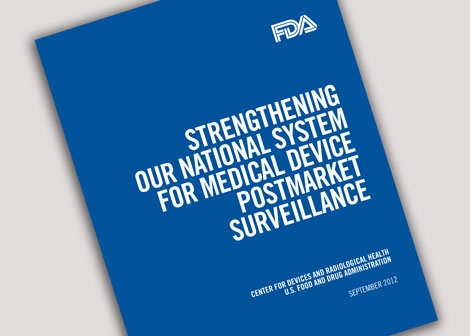
The FDA is making available for public comment a preliminary report entitled “Strengthening Our National System for Medical Device Postmarket Surveillance.” This report, in addition to providing an overview of FDA’s medical device postmarket authorities and the current U.S. medical device postmarket surveillance system, proposes the four specific actions, using existing resources and under current authorities, to strengthen the medical device postmarket surveillance system in the U.S.
To read the entire report, click here.
Author
React:
Discussion
This is a fascinating development. In my practice we've seen similar outcomes with the revised protocol. The key differentiator seems to be patient selection criteria. Has anyone else noticed the correlation with BMI thresholds?
Great point. I'd push back slightly on the conclusion, the sample size in the cited study is too small to draw population-level inferences. That said, the directional signal is compelling and worth a larger RCT.
We implemented a similar approach last year. Early results are promising but we're still gathering 12-month follow-up data. Happy to share our protocol if anyone is interested.
Join the conversation
Orthopedic professionals are discussing this. Sign in and upgrade to read every comment and add your voice.