
Biomet Spine proclaimed a “game changing” technology on August 14, 2012 when the company announced the FDA 510(k) clearance for its next generation occipito-cervico-thoracic system – the Lineum OCT Spine System.
Biomet Spine Proclaims “Game Changing” Screw Technology
1 min read Premium comments
Secondary
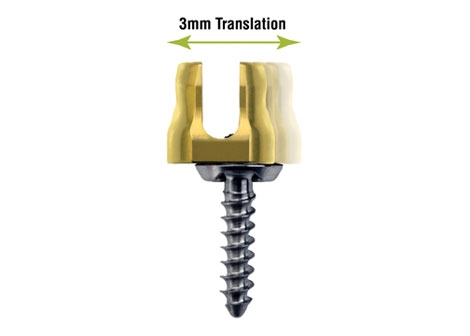
The company says the system incorporates “first to market, game changing Translation screw technology.” The technology, according to the company, is the first “game changing” screw technology since the advent of the multi-axial screw.
The technology, states a company press release, offers 3mm of medial/lateral translation to encourage optimal screw placement, requires less rod manipulation, and allows easier rod introduction.
“Commercialization of multi-axial screws changed the manner by which surgeons approached screw placement, ” said Bill Messer, general manager of Biomet Spine. Messer believes the new screw will have a similar “game changing” impact on posterior OCT spine procedures.
In addition to the new screw, the company says this system incorporates numerous enhancements designed to encourage procedural efficiency. These include a broader range of customizable construct options, a new adjustable depth drill guide and new rod reducers.
Author
React:
Discussion
This is a fascinating development. In my practice we've seen similar outcomes with the revised protocol. The key differentiator seems to be patient selection criteria. Has anyone else noticed the correlation with BMI thresholds?
Great point. I'd push back slightly on the conclusion, the sample size in the cited study is too small to draw population-level inferences. That said, the directional signal is compelling and worth a larger RCT.
We implemented a similar approach last year. Early results are promising but we're still gathering 12-month follow-up data. Happy to share our protocol if anyone is interested.
Join the conversation
Orthopedic professionals are discussing this. Sign in and upgrade to read every comment and add your voice.