
Individuals with diabetic peripheral neuropathy take hope. A study, published in the journal Stem Cells Translational Medicine, by the Tulane Center for Stem Cell Research and Regenerative Medicine reports on a new treatment using modified stem cells to control inflammation. Aline Betancourt, research associate professor with the Center, has developed a technique to produce standardized stem cells that will turn off the body’s inflammatory response.
MSC2 (?!) Stem Cells Turn Off Inflammation
1 min read Premium comments
Secondary
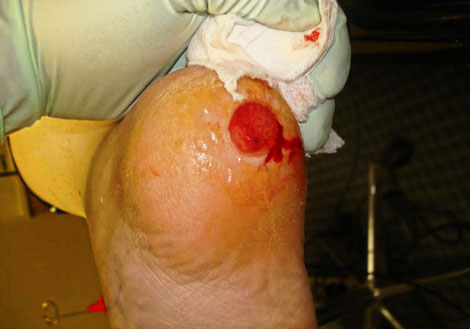
About 70% of diabetics have neuropathy (nerve damage) resulting from the disease, according to the National Institutes of Health (NIH). Severe peripheral neuropathy causes excruciating pain in the toes, feet, legs, hands or arms. Even a tiny amount of external pressure can be excruciating. Inflammation is considered a major culprit.
Previous studies have shown that mesenchymal stem cells (MSCs) are safe and effective in treating inflammatory diseases. “The problem, ” Betancourt explains in a July 10 press release, “is that the current methods for preparing these cells yield a mixed pool of undefined cells that aren’t consistently effective in the clinic. Our laboratory developed a new method that results in a consistent, uniform MSC population and optimizes their anti-inflammatory effects. We call these cells MSC2s.”
When the researchers tested the MSC2 cells on mice with peripheral neuropathy, they saw a significant improvement in inflammation and other symptoms—as much as 40% for the MSC2 group over the mice that received no treatment. There was only a 14% improvement in those administered conventional MSCs.
Betancourt and her colleagues in the study suggest that the use of stem cells specially prepared to turn off the body’s inflammatory response represents a promising new therapeutic strategy for treating diabetic peripheral neuropathy that should be further investigated.
React:
Discussion
This is a fascinating development. In my practice we've seen similar outcomes with the revised protocol. The key differentiator seems to be patient selection criteria. Has anyone else noticed the correlation with BMI thresholds?
Great point. I'd push back slightly on the conclusion, the sample size in the cited study is too small to draw population-level inferences. That said, the directional signal is compelling and worth a larger RCT.
We implemented a similar approach last year. Early results are promising but we're still gathering 12-month follow-up data. Happy to share our protocol if anyone is interested.
Join the conversation
Orthopedic professionals are discussing this. Sign in and upgrade to read every comment and add your voice.