
Dr. Danielle Mitchell is a sports medicine physician who healed herself. As she explained, “It was 2007 and I was training to be a surgeon and living a crazy, crazy mad lifestyle and working a whole bunch of hours. I had always been overweight, and during that time period I went from being obese to being morbidly obese. I was almost 250 pounds.”
From Obese to Triathlete – One Doctor’s Triumph
1 min read Premium comments
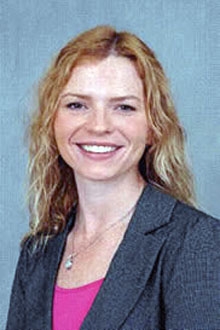
A friend introduced her to triathlon training and, in two years, Mitchell lost more than 100 pounds. Though she had trained in family medicine, her weight loss attracted the attention of athletes. “As I was making that lifestyle change I started getting interested in sports medicine at the same time, ” she told in the March 1 article by Jim Tanner, of the Times Free Press. “When I started becoming more active and training for triathlons, people started coming to my practice and asking me about athletic issues. That made me realize that I wanted to pursue that with my career.”
Mitchell is presently in Taupo, New Zealand, getting ready for the Ironman New Zealand, which will be her fourth Ironman distance triathlon. The Ironman is the most grueling triathlon format, consisting of a 2.4-mile swim, 112-mile bicycle ride and a 26.2-mile run.
When asked about her biggest challenge in maintaining her athletic life style, Mitchell told Tanner that it is “consistency.” “I think maintaining overall consistency with your patterns and behaviors is the hardest part, ” she said. “I define myself as an athlete now, and that really does affect my decisions with regard to how I choose to live my life. Eating for me is different: I don’t talk about food. I talk about fuel and fueling your body because it’s a machine.”
Mitchell is now a licensed sport medicine doctor and moved to Chattanooga five months ago to work for Erlanger Hospital as the team physician for athletes at the University of Tennessee at Chattanooga.
Author
React:
Discussion
This is a fascinating development. In my practice we've seen similar outcomes with the revised protocol. The key differentiator seems to be patient selection criteria. Has anyone else noticed the correlation with BMI thresholds?
Great point. I'd push back slightly on the conclusion, the sample size in the cited study is too small to draw population-level inferences. That said, the directional signal is compelling and worth a larger RCT.
We implemented a similar approach last year. Early results are promising but we're still gathering 12-month follow-up data. Happy to share our protocol if anyone is interested.
Join the conversation
Orthopedic professionals are discussing this. Sign in and upgrade to read every comment and add your voice.