
Susan Alpert, M.D., Ph.D., a former director of the FDA’s Office of Device Evaluation and, since 2005, the Senior Vice President and Chief Regulatory Officer at Medtronic, Inc. is retiring at the end of April.
Alpert “Retires” From Medtronic
2 min read Premium comments
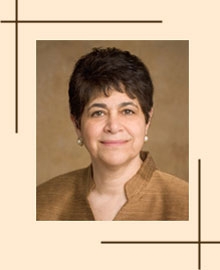
Dr. Alpert told OTW at the 10th University of Minnesota Design of Medical Devices Conference, that senior executives at Medtronic are mandated to “retire” when they reach age of 65. But as was clear from our conversation and her vibrant enthusiasm for medical devices, she is not going to retire. She will be looking to find ways to stay active in medical devices through consulting activities. There are probably no more than four or five individuals in the U.S. with the length and depth of experience at both the FDA and private industry.
A Medtronic spokesperson confirmed the company’s regulatory affairs. Vice President Patricia Shrader will be replacing Alpert. Shrader is a former regulatory SVP at Becton, Dickinson & Co.
Prior to joining Medtronic, Alpert was Vice President of Regulatory Sciences at C.R. Bard, Inc. At the FDA, Alpert held a variety of positions in the Centers dealing with drugs, devices and radiological health, and foods, including six years as the Director of the Office of Device Evaluation. She is a microbiologist and pediatrician with a specialty in infectious diseases and has practical experience in laboratory research and clinical trials.
Public Policy Activist
Alpert has also been active in various public policy efforts, including a stint on the board of the Food Drug Law Institute (FDLI), a forum for the FDA and the legal, business, academic and consumer communities to exchange perspectives on public policy, law and regulation relating to products subject to FDA jurisdiction. She serves on the board of advisors for the Medical Technology Leadership Forum (MTLF), an educational organization focused on policy makers, the general public, and the media regarding critical issues affecting the development and adoption of advanced medical technology. In addition, she is on the board of the Women Business Leaders (WBL), an organization of women leaders in the health care sector. She is also a past Chair of the Regulatory Affairs Professional Society and a Fellow in that society. Alpert also serves on the Executive Committee of the Clinical Trials Transformation Initiative (CTTI), one of the public/private partnerships working with the FDA to streamline the development of medical products.
She earned her undergraduate degree at Barnard College, Columbia University in New York City and holds a master’s degree and Ph.D. in biomedical sciences from New York University. She received her medical degree from the University of Miami (Florida) and completed her clinical training at Montefiore Medical Center in the Bronx, New York, and at Children’s National Medical Center in Washington, D.C.
Unfettered from government and corporate restraints, Alpert has agreed to provide OTW readers with her perspective on regulatory affairs and upcoming changes in the FDA’s 510(k) clearance program.
Author
React:
Discussion
This is a fascinating development. In my practice we've seen similar outcomes with the revised protocol. The key differentiator seems to be patient selection criteria. Has anyone else noticed the correlation with BMI thresholds?
Great point. I'd push back slightly on the conclusion, the sample size in the cited study is too small to draw population-level inferences. That said, the directional signal is compelling and worth a larger RCT.
We implemented a similar approach last year. Early results are promising but we're still gathering 12-month follow-up data. Happy to share our protocol if anyone is interested.
Join the conversation
Orthopedic professionals are discussing this. Sign in and upgrade to read every comment and add your voice.