
Robert Tracy Ballock M.D., Director of the Center for Pediatric Orthopaedic Surgery in the Orthopaedic and Rheumatologic Institute at the Cleveland Clinic has been named the 2010 recipient of the Arthur H. Huene Memorial Award from The Pediatric Orthopaedic Society of North America for his outstanding contributions to the field of pediatric orthopedics.
Pediatric Orthopedic Doctor Recognized
2 min read Premium comments
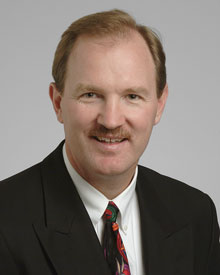
Dr. Ballock is also a Professor of Surgery at the Cleveland Clinic Lerner College of Medicine of CWRU.
This was probably the highlight of my pediatric orthopedic career, says Ballock.
This award comes with a $30, 000 grant, which Dr. Ballock plans to use to further his study of growth plate regeneration in children whose bone growth has been compromised due to trauma, infection or irradiation. “If successful [this] would transform the treatment of leg-length discrepancy in children.”
Dr. Ballock says he made the decision to become an academic orthopedic surgeon while in medical school at Harvard. Here he became inspired to understand the mechanisms of musculoskeletal disease from its most basic starting point.
After residency he joined the intramural program at the National Institutes of Health in the National Institute of Arthritis, Musculoskeletal and Skin Diseases (NIAMS), followed by distinguished work at Johns Hopkins. Dr. Ballock followed up these years of research training by completing a clinical fellowship in pediatric orthopedic surgery at the Texas Scottish Rite Hospital for Children in Dallas until accepting a faculty position at the Rainbow Babies and Children’s Hospital at the University Hospitals of Cleveland and in the Department of Orthopaedic Surgery at Case Western Reserve University.
It was at Rainbow that 16 years ago Ballock initiated a research program focused on the molecular mechanisms of thyroid hormone activity in growth plate, a program which continues on to this day.
In late 2002, Dr. Ballock became the Head of Pediatric Orthopaedic Surgery at the Cleveland Clinic. Here he and his team began DNA microarray studies of growth plate chondrocytes to learn about the specific direct downstream genetic targets of the thyroid hormone receptor in the growth plate. These studies would result in a happy accident, with the identification of the gene encoding carboxypeptidase Z (CPZ) as a direct target of thyroid hormone action.
Dr. Ballock also has the distinction of being awarded a single NIH grant, something very few orthopedic surgeons can include in their bio. And with this award, Ballock sees great opportunity for advancement.
“We are going to use the award to look at the possibility of taking growth plates damaged by trauma and regenerating them after injuries have compromised the ability of the bone to grow. If it works, kids can avoid painful surgeries and repeated hospitalizations for treatment.”
React:
Discussion
This is a fascinating development. In my practice we've seen similar outcomes with the revised protocol. The key differentiator seems to be patient selection criteria. Has anyone else noticed the correlation with BMI thresholds?
Great point. I'd push back slightly on the conclusion, the sample size in the cited study is too small to draw population-level inferences. That said, the directional signal is compelling and worth a larger RCT.
We implemented a similar approach last year. Early results are promising but we're still gathering 12-month follow-up data. Happy to share our protocol if anyone is interested.
Join the conversation
Orthopedic professionals are discussing this. Sign in and upgrade to read every comment and add your voice.